Restaurant Operations & Table Setting
Plates for Modern Cuisine: Letting the Dish Lead
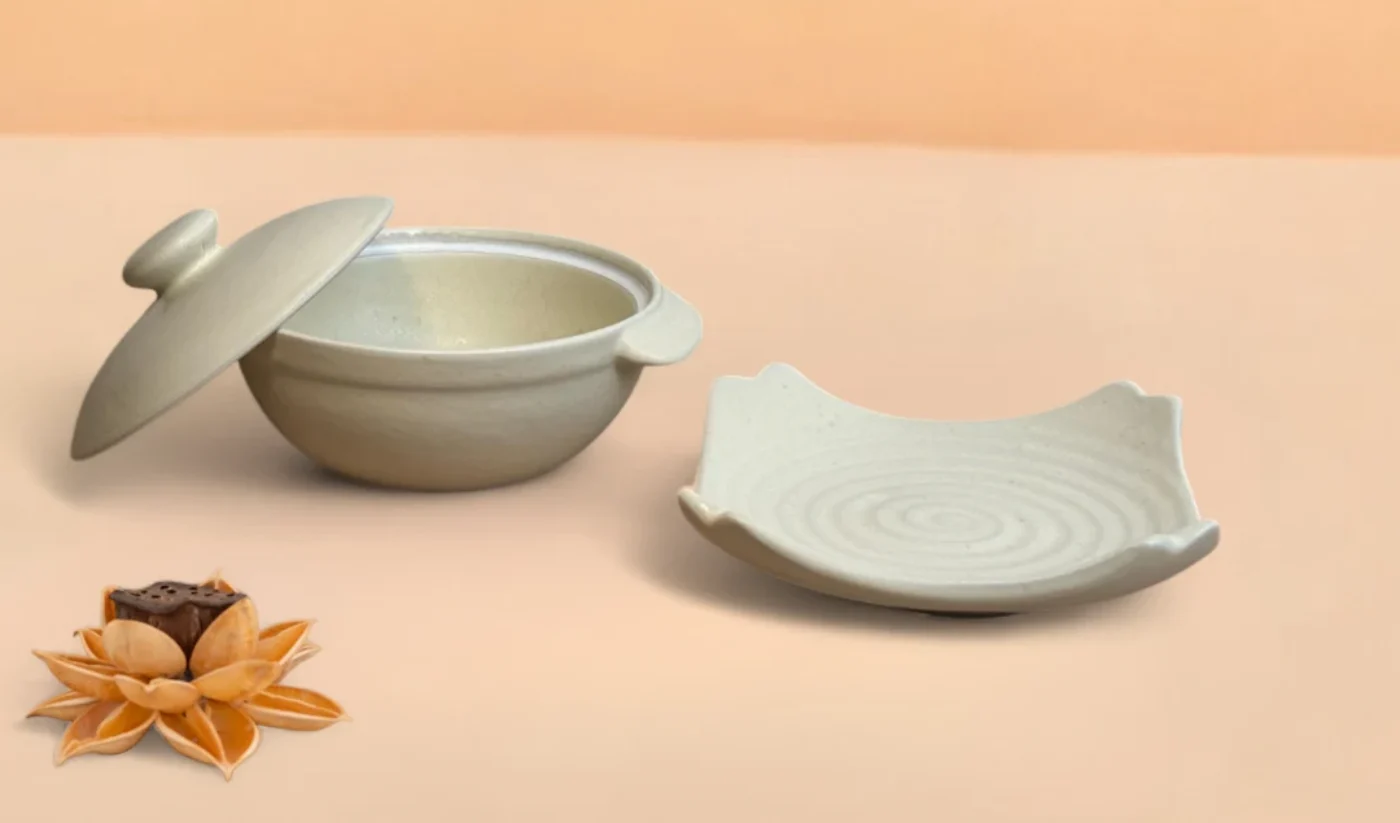
Space Around the Food
Modern cuisine is built on composition: a few precise elements, placed with intent, and plenty of space around them. Refined seafood, seasonal vegetables and contemporary meat dishes all depend on contrast between the ingredient and the plate. The plate is part of that composition. Too much pattern and the dish gets lost. Too little and the table feels cold.
A Calm Base
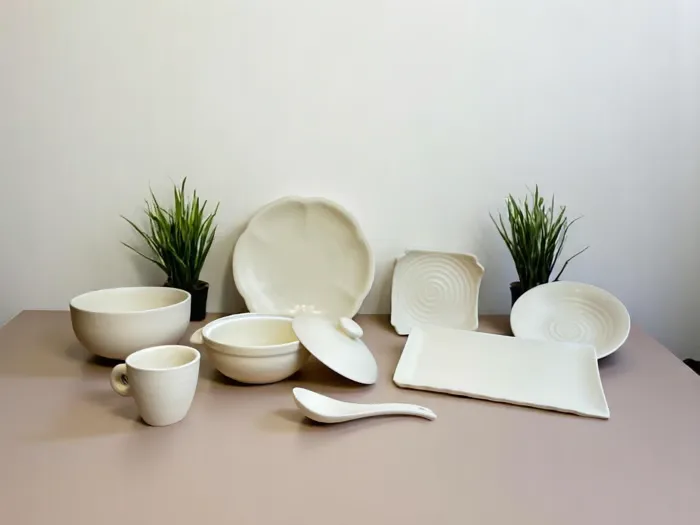
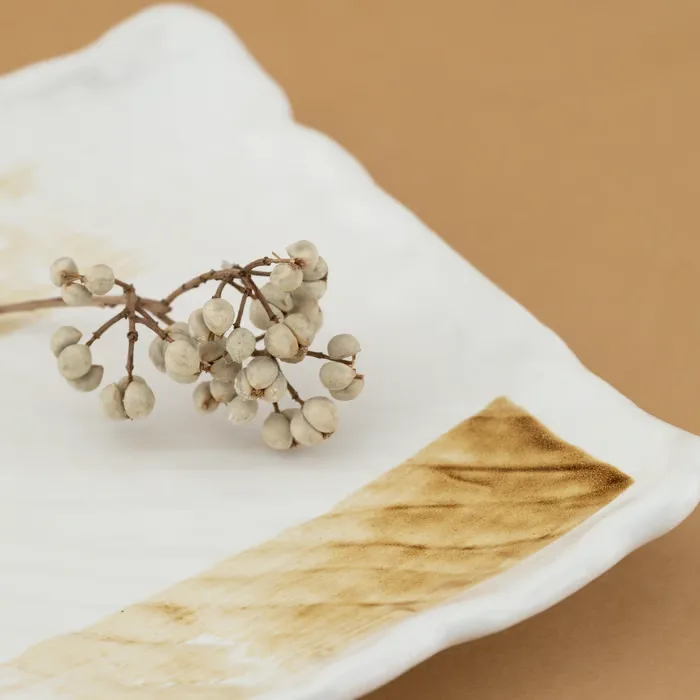
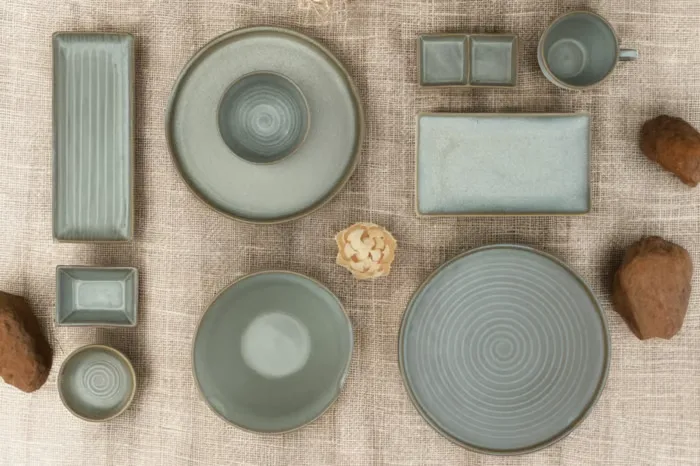
Most courses work best on a quiet ground: cream, ivory or soft grey, with a little texture so the plate doesn’t look like hotelware. These carry the menu from course to course.
A Statement for the Signature Dish
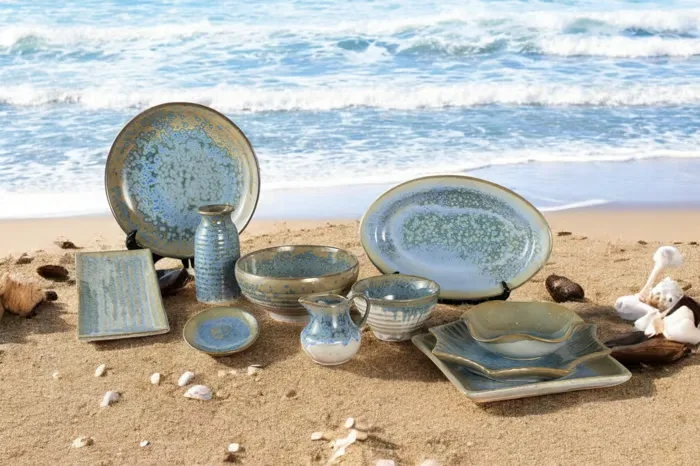
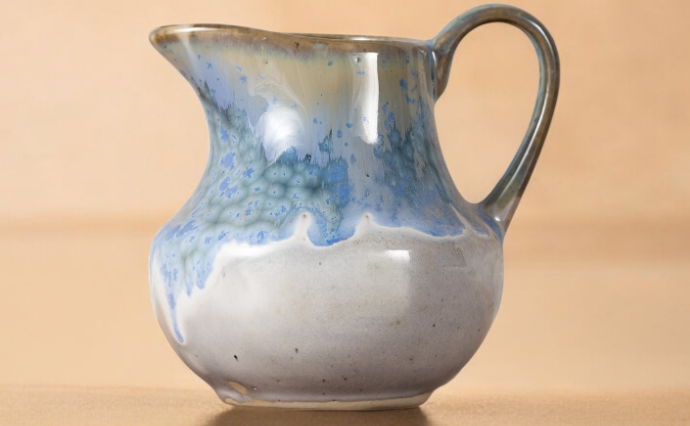
One or two courses can carry a stronger glaze. Use it where the dish is simple in colour, so the plate adds what the food doesn’t.
Shape by Course
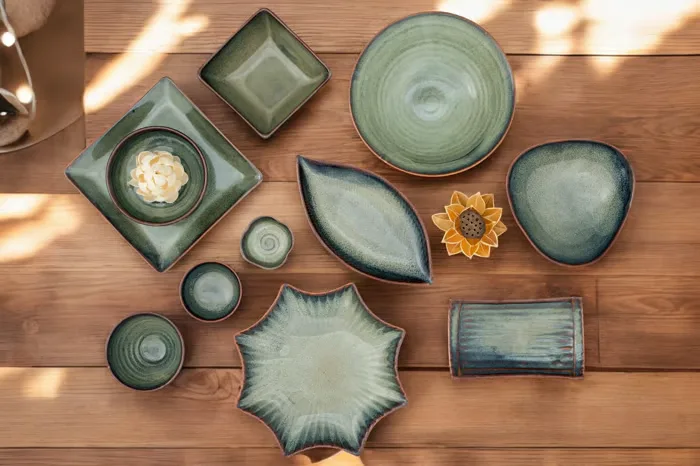
Wide, flat plates suit composed starters. Shallow bowls hold sauces and broths. Small, deep pieces work for amuse-bouches and pre-desserts. On a tasting menu, change the shape more often than the glaze, so the meal has rhythm without losing its look. Our guide to designing tableware around a tasting menu goes into this course by course.
Built for Service
The range combines double-fired, fully vitrified porcelain with glazed stoneware, handcrafted in Vietnam, for upscale casual and fine dining. Every piece is made with reactive glazes, so no two are identical. They are still made for professional kitchens: commercial dishwasher, oven and microwave safe. If you want a shape that doesn’t exist yet, we also make custom shapes for signature dishes.
Recipes to Try
Our recipes show each dish on the piece it was plated on. Three modern dishes to start with:
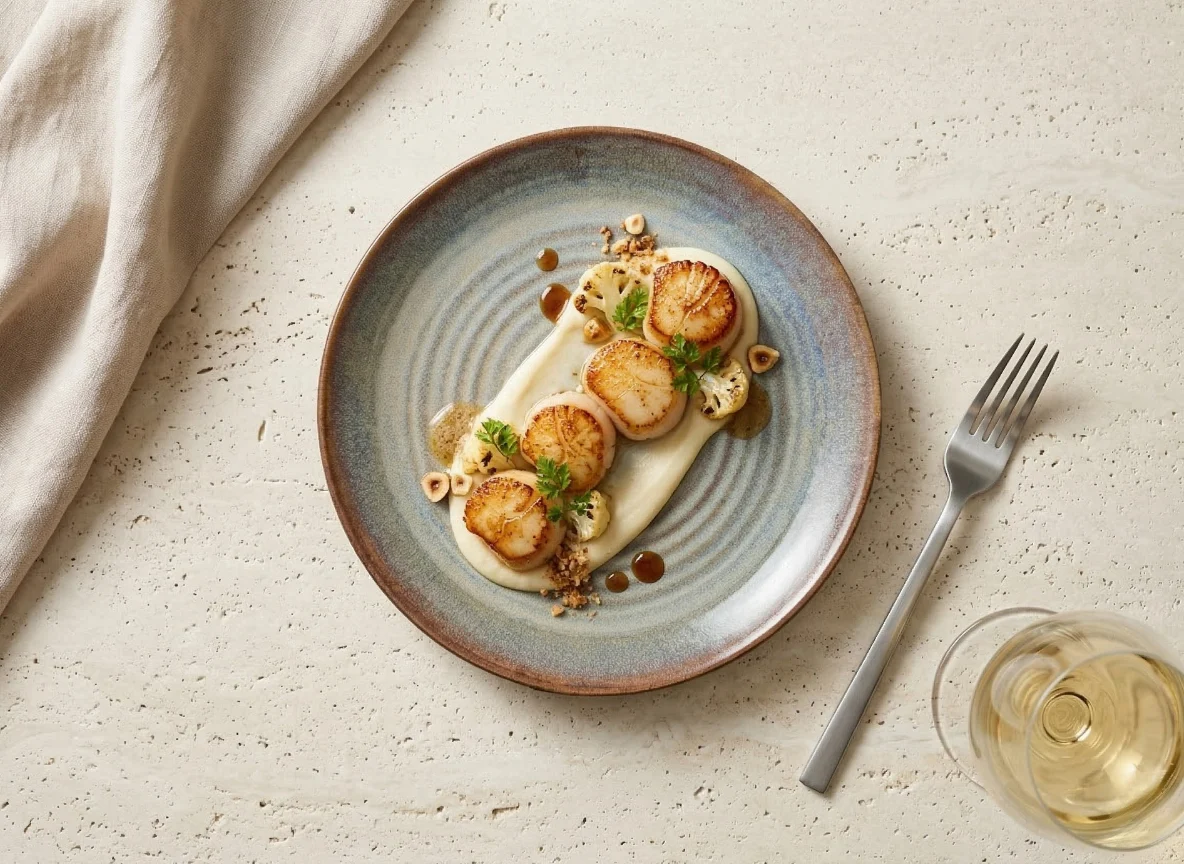
Seared Scallops, Cauliflower Purée & Brown ButterOn Azure Typhoon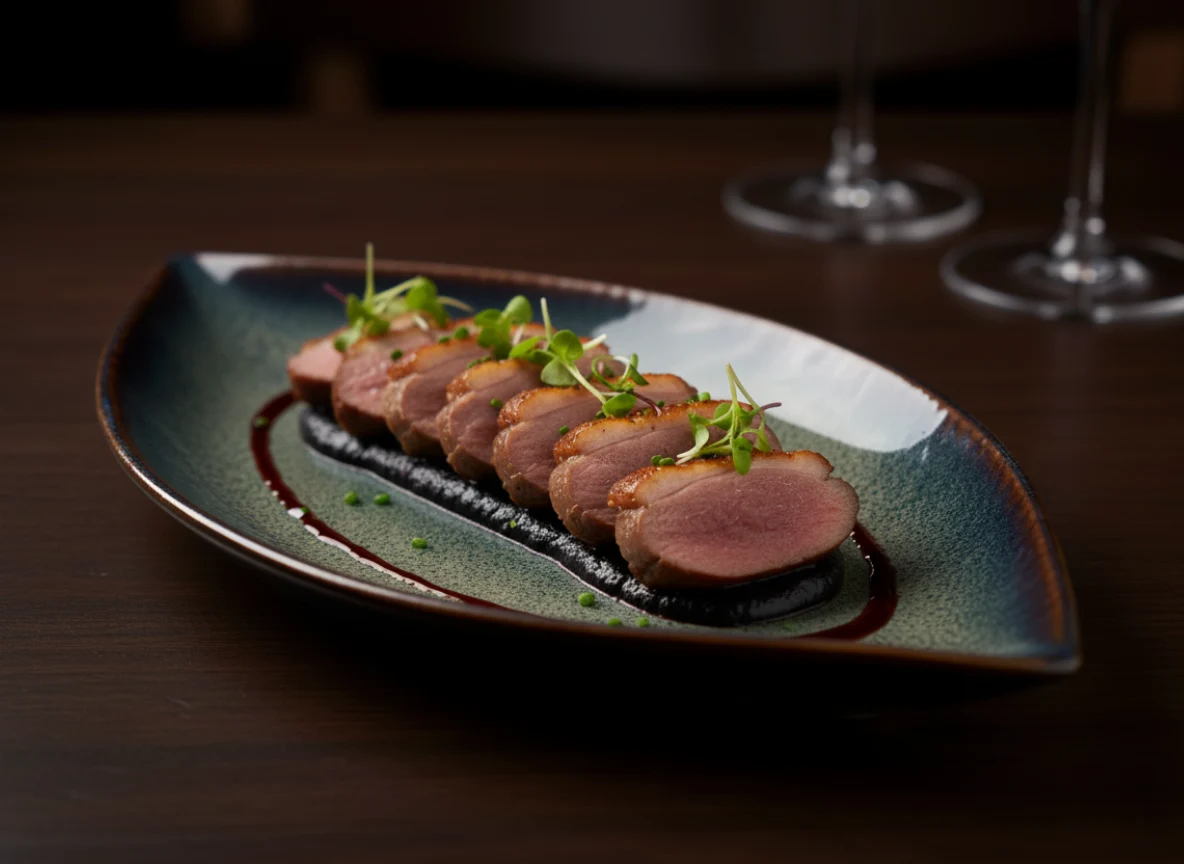 Duck Breast, Black Garlic & Red Wine GlazeOn Emerald Essence
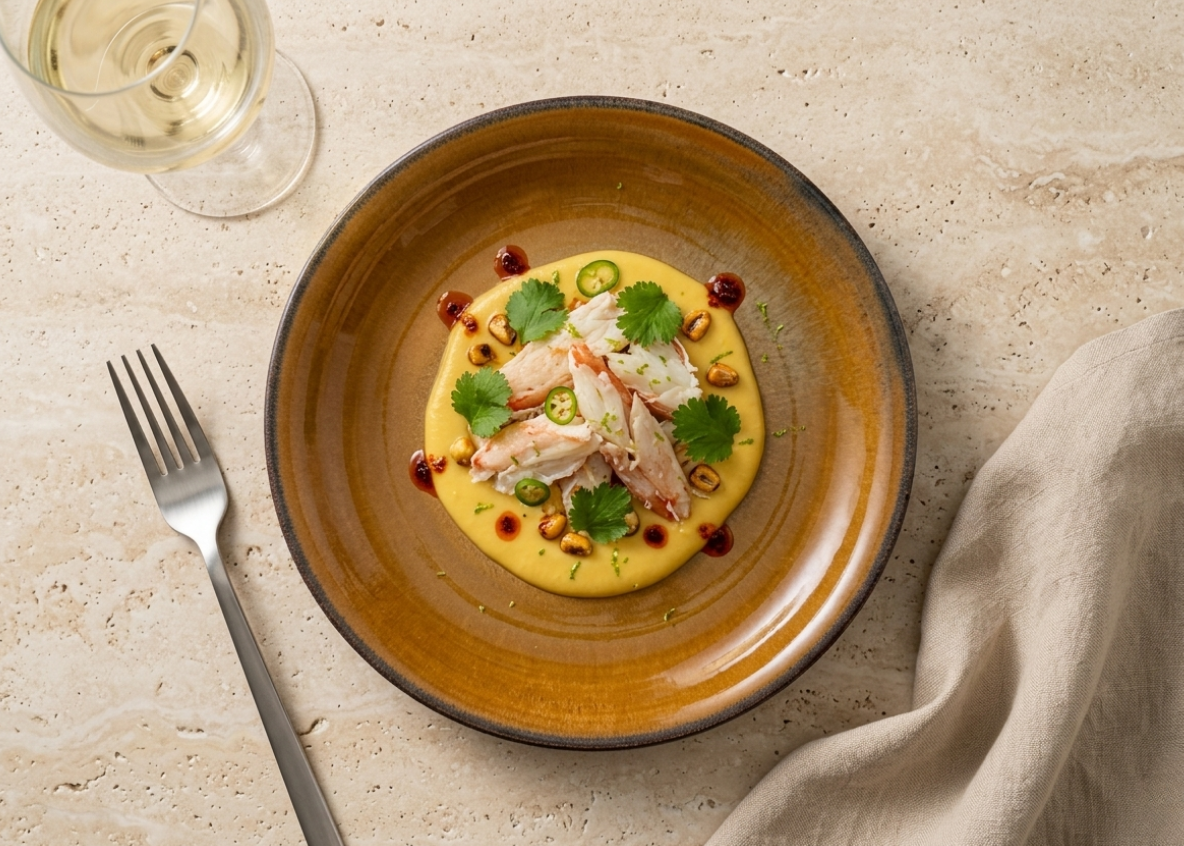 Patagonian King Crab, Corn & Chilli OilOn Autumn Harvest