Craft
Behind the Kiln: Meeting the Artisans Who Make Your Plates
Two Workshops, Two Materials
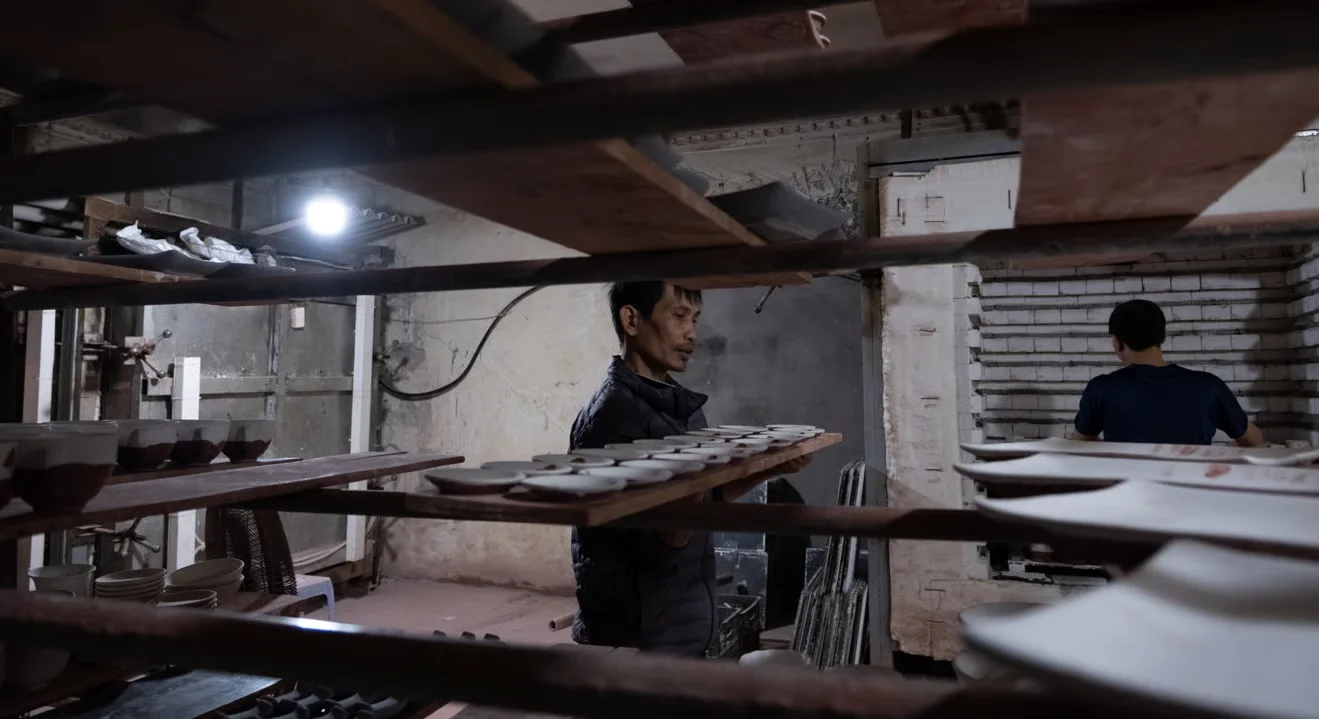
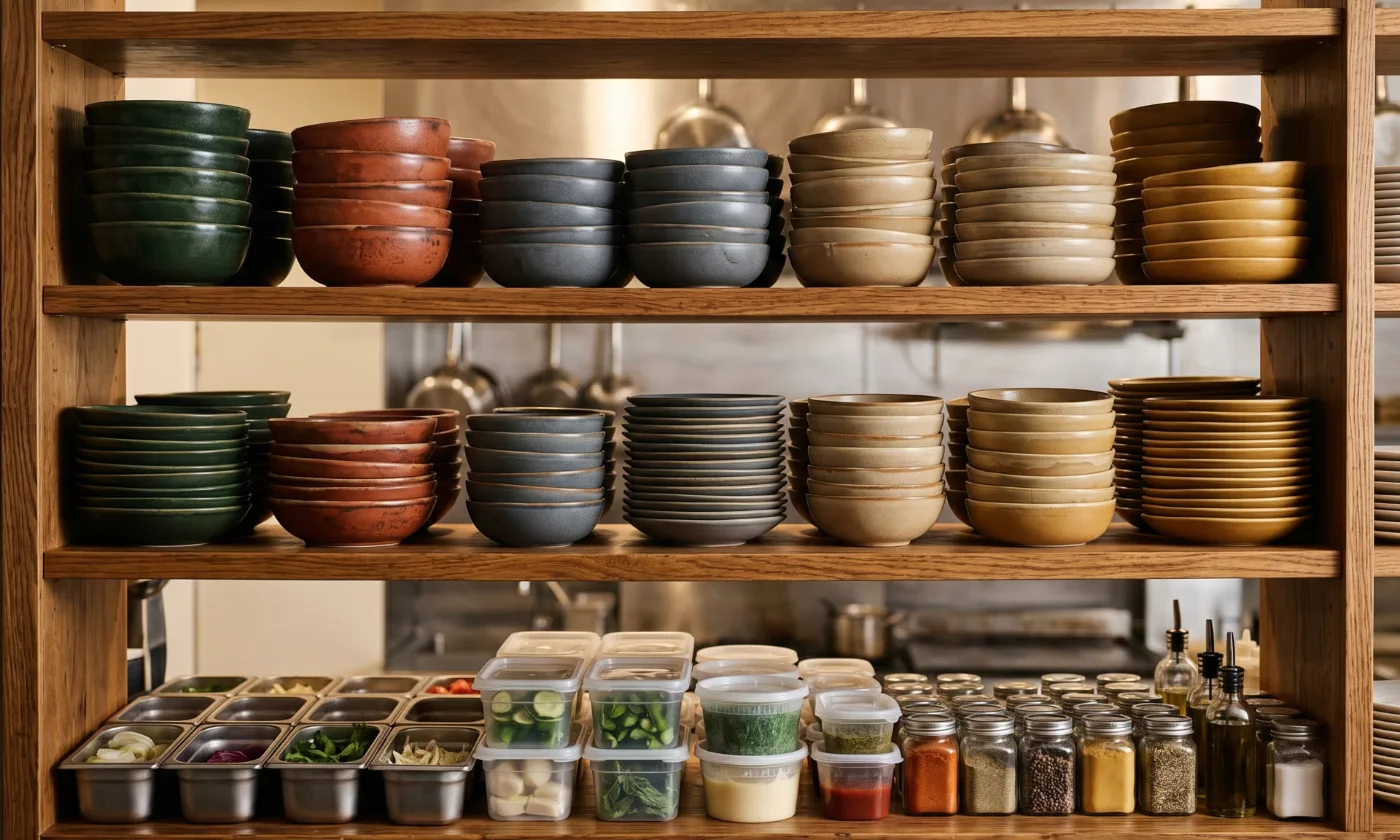
Our porcelain core range is handcrafted in Hanoi, in the north of Vietnam. Our more affordable stoneware line is made in Saigon, in the south. Both are staffed by artisans who have spent years, in many cases decades, learning to throw, mold, glaze and fire ceramics by hand.
This is not automated production with a person watching over it. Each piece passes through human hands at every stage — shaping the clay, applying the glaze, loading the kiln, checking the fired result against the standard it needs to meet.
Skill You Can't Shortcut
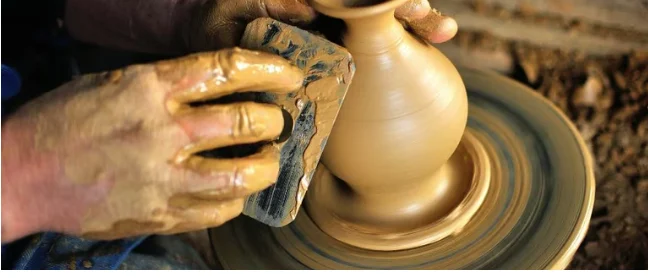
A reactive glaze that pools correctly, a rim that comes off the wheel even, a batch that survives a high-temperature single firing without warping — none of that is guaranteed by the recipe alone. It comes from artisans who know their kiln, their clay, and their glaze chemistry well enough to adjust for a humid day or a slightly different batch of raw material.
Small Batches, By Design
Because the work is handmade, batches are naturally smaller than a mechanized factory would produce, and yields are lower — pieces do occasionally break in the kiln, particularly larger or more complex shapes, and that loss is part of the cost of handcrafted production at high temperature. It is also why we can produce custom shapes in short runs through Vipeso, our commissioned-mold service, without the tooling minimums a mass manufacturer would require.
Craft With a Name Attached
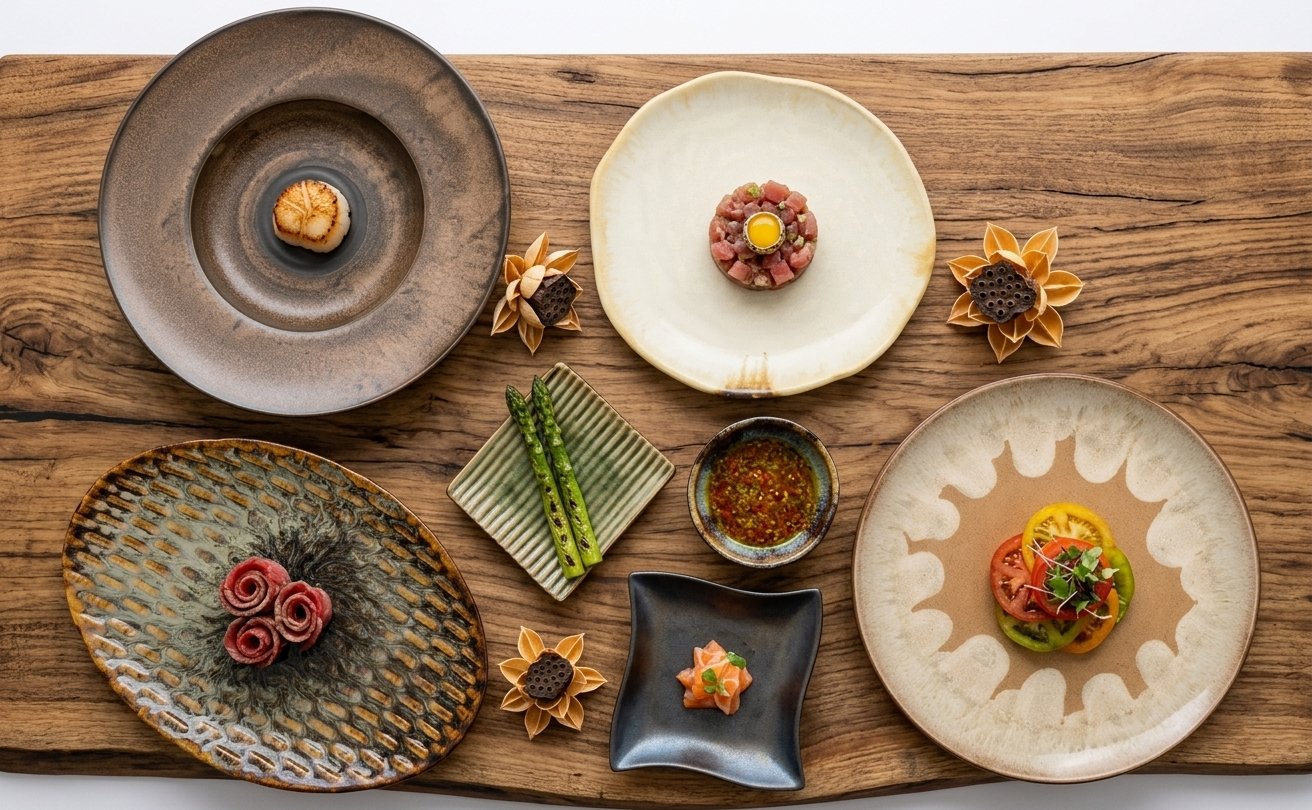
We're increasingly keen to make the people behind the pieces visible, not just the pieces themselves. If you order from Annamis, the plate on your table was shaped by someone we work with directly — not an anonymous production line on the other side of a supply chain we don't see into.
← Back to the Journal