
Buyer Education
Handmade Dinnerware for Restaurants: Four Tests Before You Buy
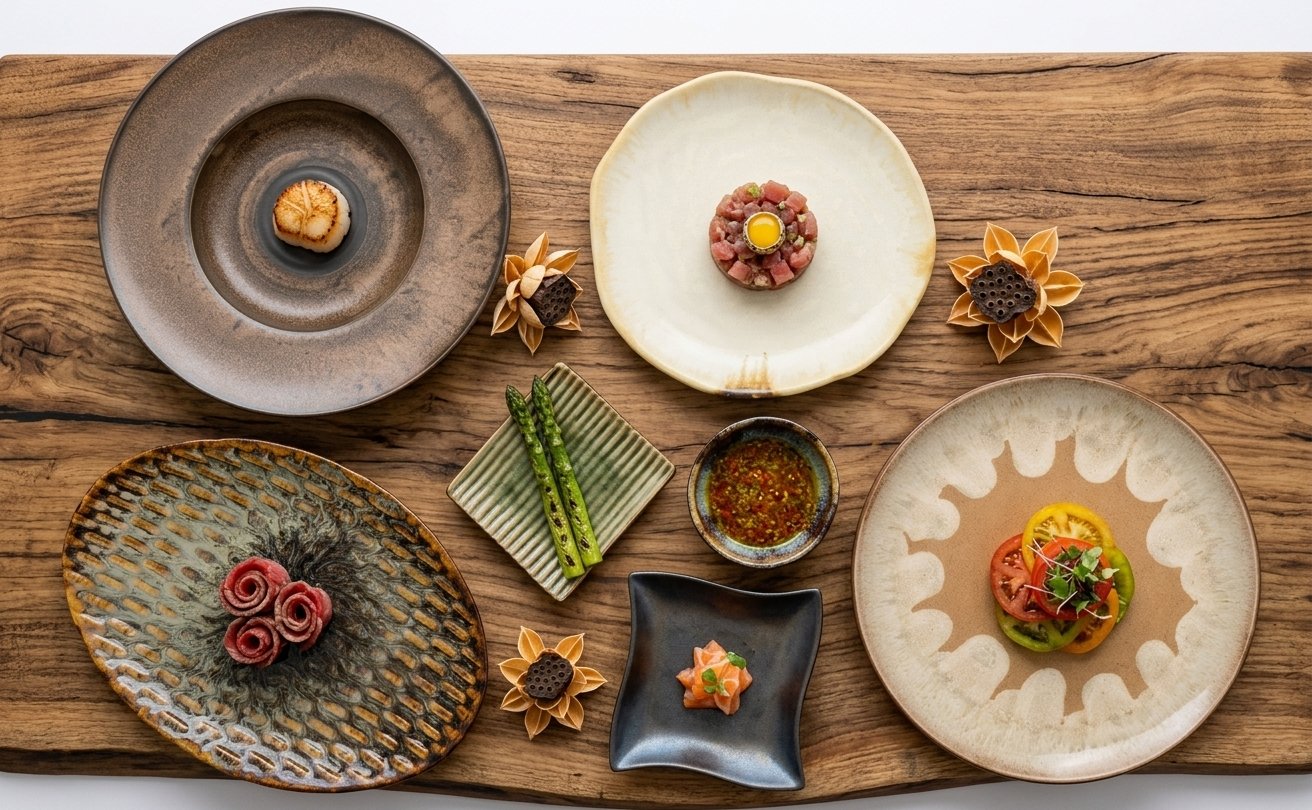
"Best" gets applied to dinnerware the way it gets applied to everything else online — usually meaning most photographed, not most suited to your kitchen. For a working restaurant, best means something narrower: it fits the food, survives the pass, and holds up over years of service.
Fit the Plate to the Dish, Not the Trend
A shape that flatters one dish can fight another. Wide rims frame a plated main; deep, close-walled bowls hold sauce and broth without the food sliding to one edge. The best handmade dinnerware for a given restaurant is the set chosen against the actual menu, not a shape that happened to be popular that season.
Durability Comes Before Beauty
Plenty of handmade pottery is made for a table at home, not a professional kitchen. Before anything else, ask whether the body is vitrified porcelain or stoneware, whether it is rated for commercial dishwashers, and how it holds up to daily stacking. A striking glaze on a piece that chips after a month of service is not the best choice — it is the expensive one.
Consistency Within Variation
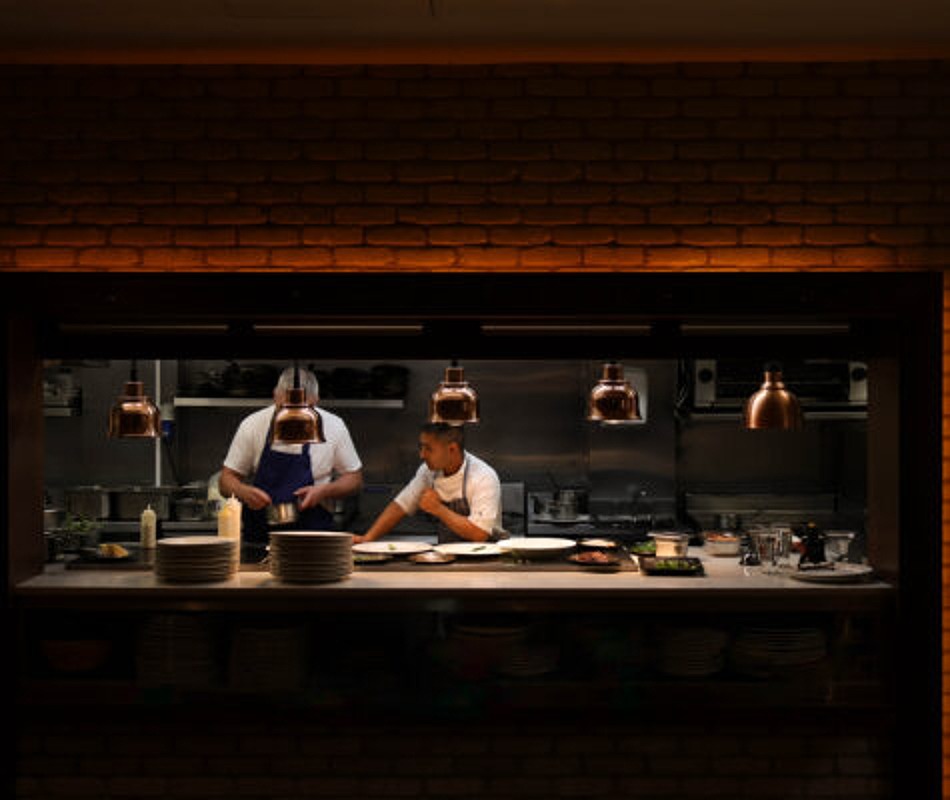
Handmade pieces vary from one to the next — that is inherent to the craft, not a flaw to eliminate. What separates a good supplier is whether that variation is managed deliberately, batch by batch, rather than left to chance across an order.
Choose a Supplier Who Will Sample With You
The only reliable way to judge fit is to put the piece under your own lighting with your own food on it. We run four different sampling routes depending on how far along a project is — from shipped samples to a chef plating on them in person.
Plan the Set Around Service, Not the Shelf
Count how many shapes the menu really needs. Most restaurants run well on a small core: a main plate, a starter or side plate, a bowl and one or two serving pieces. Fewer shapes mean easier stacking, a faster pot-wash and simpler reorders. Work out quantities from your covers; our guide to how many plates a restaurant needs uses three times the cover count per plate type as a starting point.
Check Lead Times Before You Fall for a Glaze
Handmade dinnerware is produced in batches, not pulled from a warehouse shelf. Check the first-order lead time against your opening date, and ask how quickly replacements arrive once you are trading. For Annamis, a first order usually takes 4–6 weeks, and with an agreed forecast top-ups can ship in 2–3 days from stock in the UK, Poland or Vietnam.
Compare Cost Over a Year, Not per Plate
A cheaper handmade plate that chips in the dishwasher costs more over a year than a well-fired one that lasts. Ask for prices per piece, then think about breakage and replacements across a full year of service. We send a full price list per Selection in your local currency once we understand the menu and quantities.
Where to Start
Browse the thirty-six collections, shortlist two or three that suit the food, and ask for samples. If you are still comparing materials and suppliers, our commercial dinnerware buyer's guide covers the practical side in more detail.
For the full range, see our handcrafted porcelain tableware for restaurants, or talk to the makers about your menu.
FAQ
Is handmade dinnerware durable enough for restaurants?
It can be, if the body is vitrified porcelain or well-fired stoneware rated for commercial dishwashers. A lot of handmade pottery is made for home use and will not survive daily service.
Will every handmade plate look the same?
No. Shape and size stay consistent, but glaze and surface vary from piece to piece. A good supplier manages that variation batch by batch.
Can I try handmade plates before ordering?
Yes. We send sample boxes to restaurants so you can test pieces in your own service first.