Sustainability & Values
Sustainability in Handcrafted Tableware
Sustainability Isn't Just a Sourcing Line
It's easy for a supplier to reduce sustainability to a single sentence about materials. We'd rather be specific about where handcrafted production genuinely helps, and where it doesn't.
Built to Last Longer
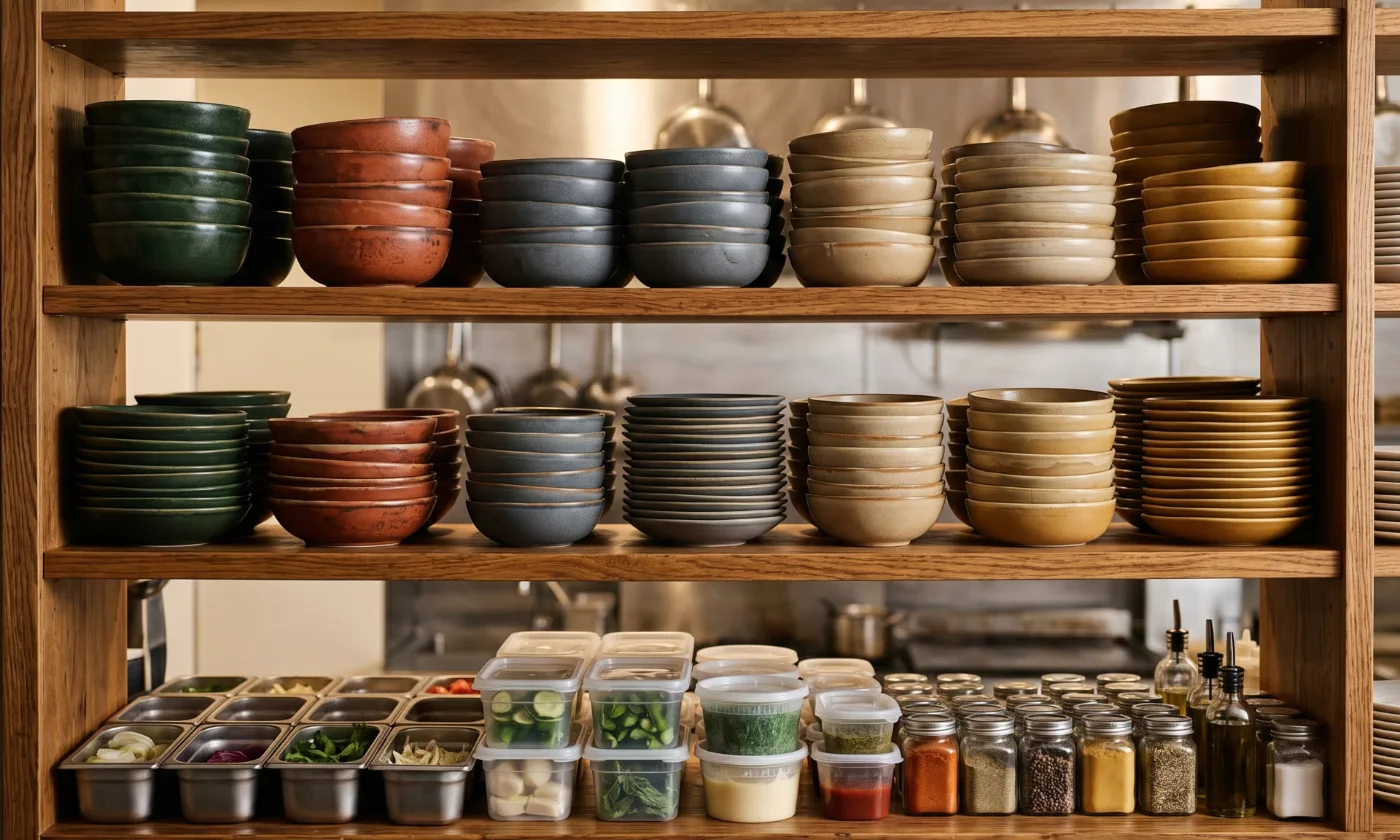
Porcelain and stoneware fired at high temperature produce a much denser, less porous body than earthenware or low-fired alternatives. Practically, that means fewer replacements over the life of a piece — less breakage, less staining, less need to reorder a full set because half of it has worn out faster than the rest.
Small Batches Mean Less Overproduction
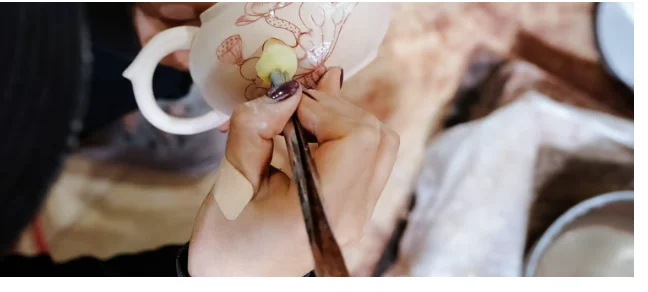
We don't run standing inventory in the way a mass manufacturer does. Pieces are made against real orders, in batches sized to what a client actually needs, rather than produced at volume and warehoused until sold. That keeps unsold stock, and the waste that comes with it, close to zero on our side.
The Honest Cost: Kiln Loss
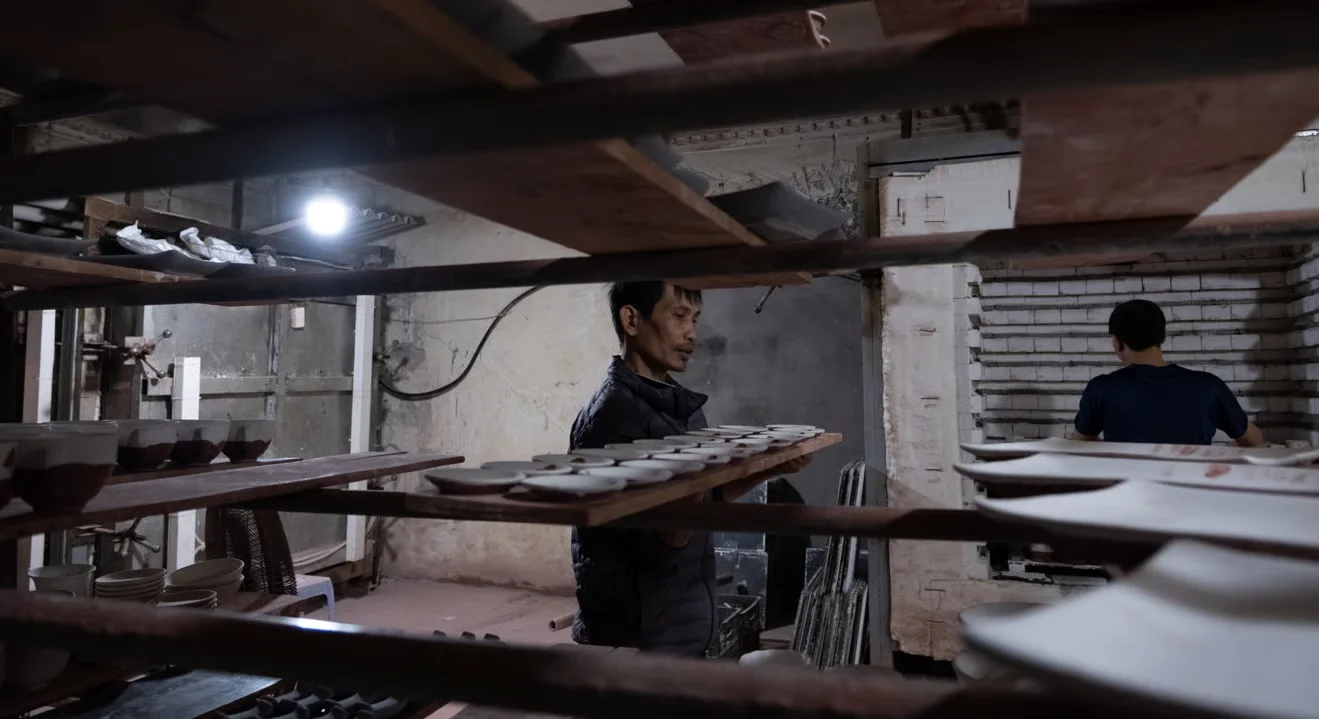
Handcrafted, high-temperature firing is less forgiving than an automated production line. Larger or more complex pieces sometimes crack or warp in the kiln and don't survive to be sold. That loss is a real cost of working this way, and it's part of why some larger handcrafted pieces are priced higher than their mass-produced equivalents — not a markup, but the cost of the failures built into a less mechanized process.
Two Tiers, One Standard
Our porcelain core range, made in Hanoi, is double-fired; our more affordable stoneware line, made in Saigon, is single-fired at 1200–1250°C. Both are made by hand, in small batches, and fired at high temperature. The stoneware line exists so that restaurants with a tighter budget don't have to choose a lower-quality process to get there.
Where We're Still Working
We don't claim a perfect footprint — international shipping from Vietnam has a real cost, and we're still working on reducing packaging waste across long-distance orders. We'd rather say that plainly than round it up to a claim we can't back.
What Restaurants Can Measure
The most useful sustainability number for a restaurant is how often tableware has to be replaced. Breakage rates for active tableware commonly run at 10–20% of stock a year. A plate that lasts longer, and that you can reorder in the same shape and glaze, means fewer pieces made, shipped and thrown away. When comparing suppliers, ask about chip resistance, how the glaze holds up in commercial dishwashers, and how long a collection stays in production.
Buying for Longevity
Three habits make the biggest difference. Order the right quantity once, with a small reserve, so you are not making urgent top-up orders; our guide to how many plates a restaurant needs explains the numbers. Choose shapes and glazes that suit the menu for several years, not one season. And look after the pieces: our care guide covers stacking, washing and storage.
Transparency in the Supply Chain
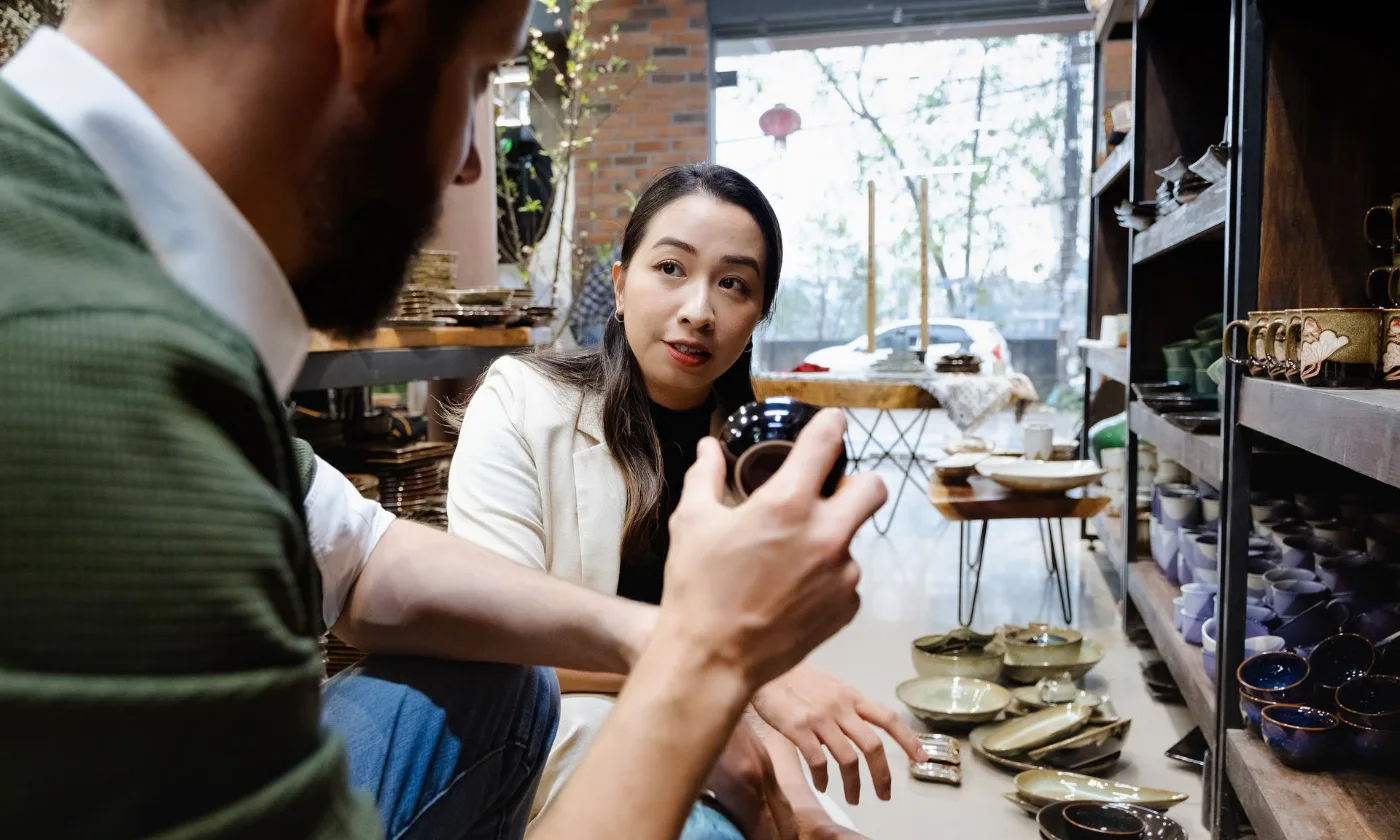
We work directly with workshops in Vietnam and photograph every batch before it ships, so you know what you are getting and where it was made. You can read more about the craft villages that make our pieces and how we approach the supply chain.
Beyond the Plate
2.5% of our profits go to children's education programmes in Saigon. It is a small commitment, but a direct one, tied to the communities our pieces come from.
FAQ
Is handcrafted tableware more sustainable?
It can be, mainly because well-fired pieces last longer and are made in batches against real orders rather than warehoused at volume. Shipping from Vietnam is a real cost.
How can a restaurant reduce tableware waste?
Order the right quantity once, choose pieces that suit the menu for years, and use a supplier who keeps collections in production so you can replace like for like.
Where is Annamis tableware made?
Porcelain in workshops around Hanoi and stoneware in Saigon, Vietnam, by hand and in small batches.