
Buyer Education
Choosing a Reactive-Glaze Tableware Supplier
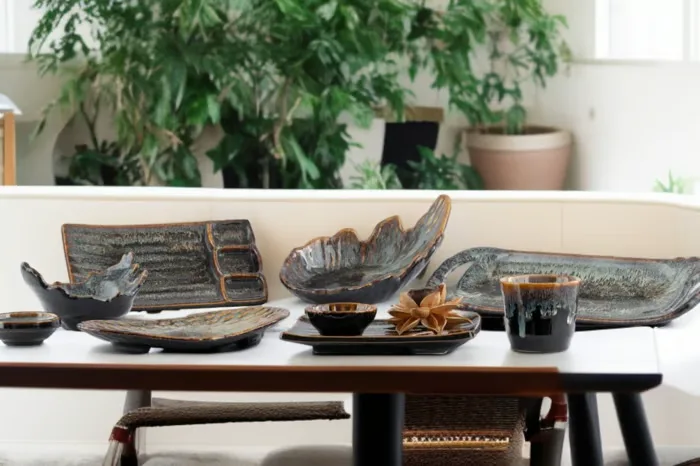
A reactive glaze is what gives a plate its depth and colour movement — and it is also the reason sourcing one for a working kitchen is a different exercise than buying a flat, uniform glaze. Here is what to ask before you commit an order.
What "Reactive" Actually Means
A reactive glaze changes character in the kiln — with temperature, atmosphere and the minerals in the mix — instead of firing flat and even like a standard glaze. That is where the colour depth comes from, and it is also why no two pieces in a run are identical. A supplier who can't explain that trade-off in plain terms hasn't thought about how it plays out at your scale.
Ask How They Manage Variation at Volume
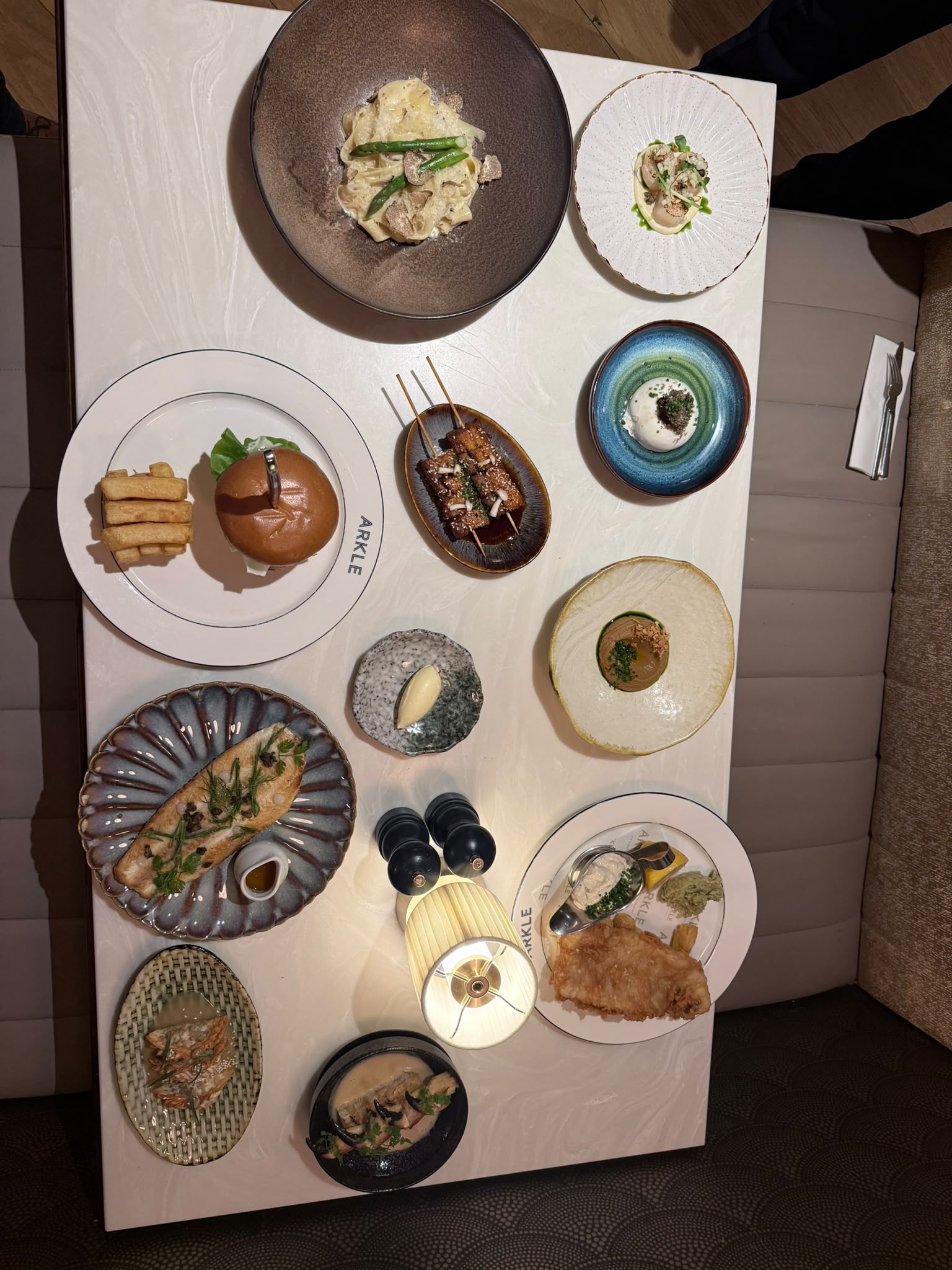
One striking plate is easy. Forty of them for a tasting menu, consistent enough to look intentional rather than mismatched, is harder. Ask how the supplier controls for it — we photograph every batch before it ships specifically so a kitchen knows what is coming, not what a catalogue photo once looked like.
Ask About Food Safety and Firing
Ask whether the body is vitrified porcelain or stoneware, how many times it is fired, and what food-safety testing the glaze has been through. Reactive glazes can carry heavier metal oxides than a standard glaze, so this is a fair question to put to any supplier, not just us.
Ask About Lead Times and Minimum Orders
Bespoke, hand-glazed production runs on a slower clock than a warehouse SKU. Ask for a realistic lead time against your opening date, and whether there is a minimum order that fits a single venue rather than a chain.
Ask How the Glaze Behaves in Service
Reactive glazes are often glossier where they pool and more matte where they thin. Ask how the surface handles cutlery marks, hot fats and dark sauces, and whether it keeps its colour through commercial dishwashers. Annamis porcelain is double-fired and fully vitrified, and our Diamond stoneware is fully glazed with low water absorption (2–3%); both are safe for commercial dishwashers, standard ovens and microwaves; our care guide covers the rest.
Ask What Happens When You Reorder
The real test of a reactive-glaze supplier comes months after opening, when you need forty more plates. Because every firing varies, a reorder will never be an exact copy of the first batch. A good supplier will tell you how close it will be, show you the new batch before it ships, and keep enough stock to cover breakage quickly. For Annamis, a first order usually takes 4–6 weeks; with an agreed forecast, replenishment can ship in 2–3 days from stock in the UK, Poland or Vietnam.
Ask for Samples From Real Production
A showroom sample is often the best piece from a run. Ask for samples taken from current production and run them through a full service before you order at volume. We send sample boxes to restaurants for this reason, and run four sampling routes depending on how far along a project is.
A Short Checklist
Before you sign off an order, you should know six things: whether the body is porcelain or stoneware and how it is fired; what food-safety testing the glaze has passed; how variation is controlled and shown to you; the lead time for the first order and for top-ups; the minimum order; and what happens if a collection changes. A supplier worth working with will answer all six in writing.
For the full range, see our handcrafted porcelain tableware for restaurants, or talk to the makers about your menu.
FAQ
Are reactive glazes food safe?
They can be fully food safe when formulated and fired correctly, but it varies by supplier. Ask for the glaze’s food-safety testing before you order.
Will a reorder match my first order?
Closely, but not exactly. Variation is part of a reactive glaze. We photograph every batch before it ships so you see it first.
Can reactive-glaze plates go in a commercial dishwasher?
Annamis pieces can. The glaze is sealed at firing, so they are safe for commercial dishwashers, ovens and microwaves.