
Buyer Education
Choosing a Reactive-Glaze Tableware Supplier
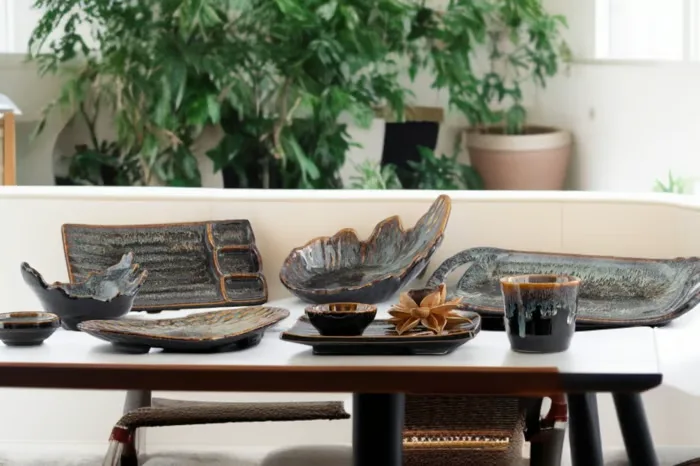
A reactive glaze is what gives a plate its depth and colour movement — and it is also the reason sourcing one for a working kitchen is a different exercise than buying a flat, uniform glaze. Here is what to ask before you commit an order.
What "Reactive" Actually Means
A reactive glaze changes character in the kiln — with temperature, atmosphere and the minerals in the mix — instead of firing flat and even like a standard glaze. That is where the colour depth comes from, and it is also why no two pieces in a run are identical. A supplier who can't explain that trade-off in plain terms hasn't thought about how it plays out at your scale.
Ask How They Manage Variation at Volume
One striking plate is easy. Forty of them for a tasting menu, consistent enough to look intentional rather than mismatched, is harder. Ask how the supplier controls for it — we photograph every batch before it ships specifically so a kitchen knows what is coming, not what a catalogue photo once looked like.
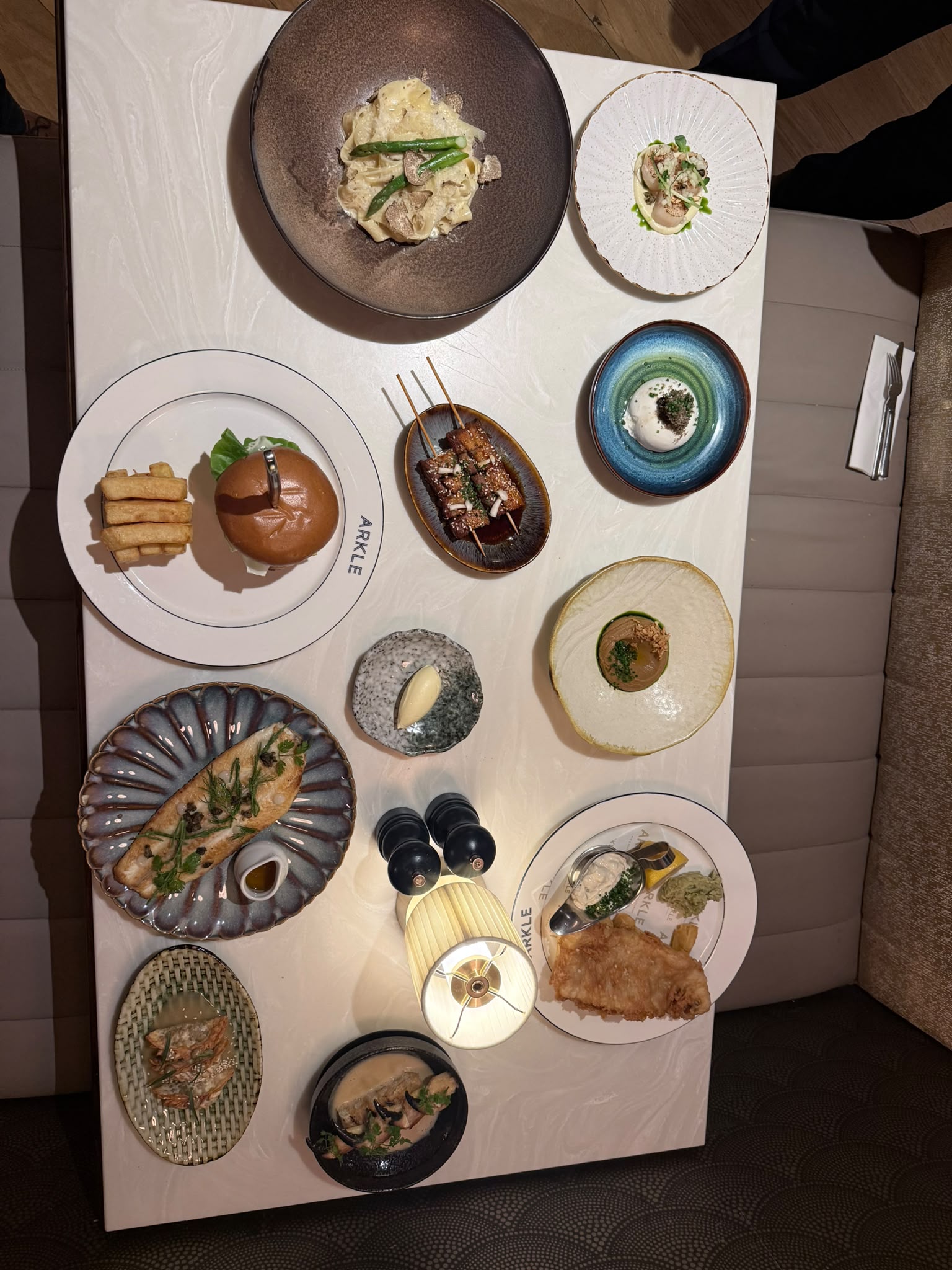
Ask About Food Safety and Firing
Ask whether the body is vitrified porcelain or stoneware, how many times it is fired, and what food-safety testing the glaze has been through. Reactive glazes can carry heavier metal oxides than a standard glaze, so this is a fair question to put to any supplier, not just us.
Ask About Lead Times and Minimum Orders
Bespoke, hand-glazed production runs on a slower clock than a warehouse SKU. Ask for a realistic lead time against your opening date, and whether there is a minimum order that fits a single venue rather than a chain.
← Back to the Journal