General
How We Prepare a Tableware Proposal for a New Restaurant
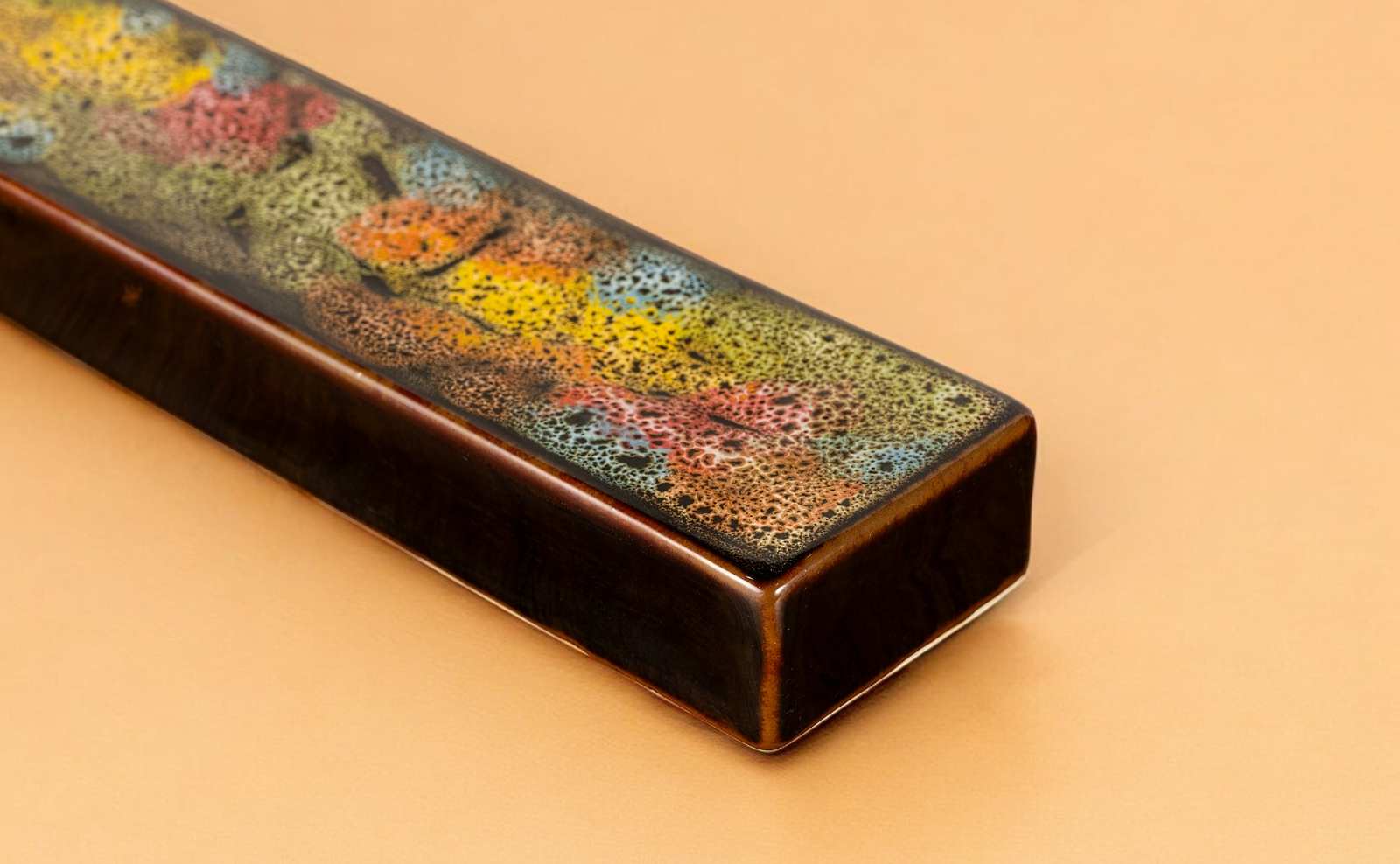
Start With the Room
A new restaurant does not begin with a plate. It begins with a room, a concept and a menu, and the tableware has to belong to all three. When an interior designer or an owner sends us a brief, we start by reading it: the colours the room is built around, the materials, the light, and what the kitchen plans to serve.
Then we prepare a proposal, a short deck that matches glazes to spaces and dishes to plates. This is how it works, using the kind of projects we see most.
One Restaurant, Space by Space
Take a restaurant with three spaces: a dining room with red velvet banquettes, teal tile and brass lights; a cold kitchen and bar in dark wood; and a terrace among plants. Each space asks for something different, so we propose different glazes for each, with the piece type and the dish it is for.
Dining room
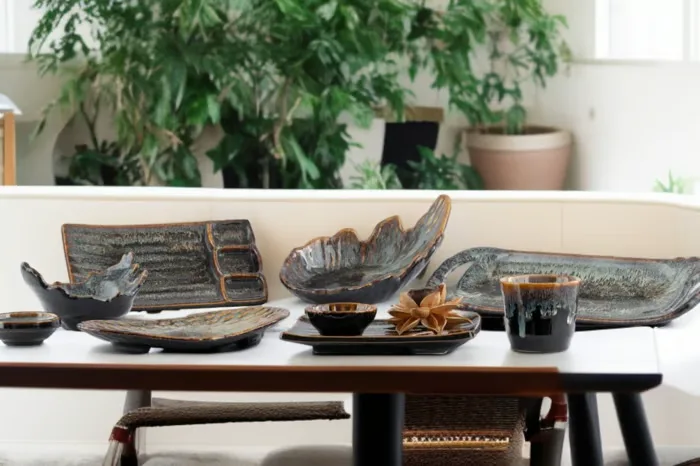
A red and amber glaze meets the velvet, a green gradient picks up the tile and the plants, and a warm, earthy glaze echoes the brass.
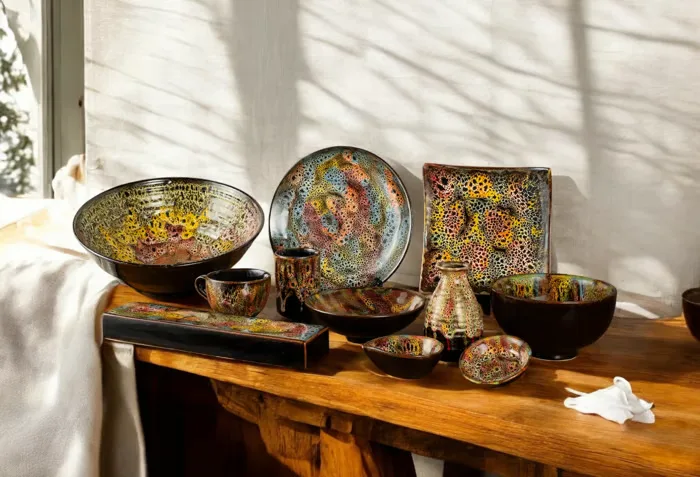
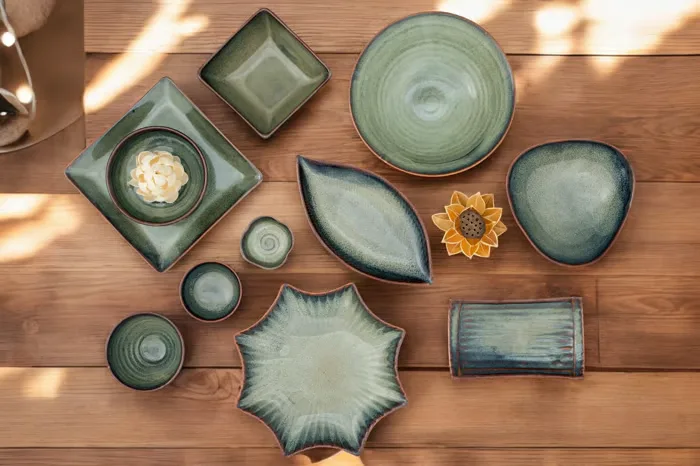
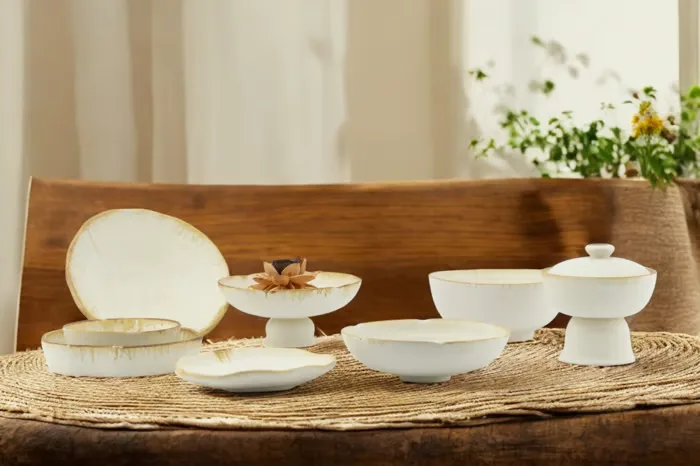
Cold kitchen and bar
Cool blues keep raw fish fresh against dark wood, matte black shows off sushi, and swirling earth tones suit tacos and small plates.
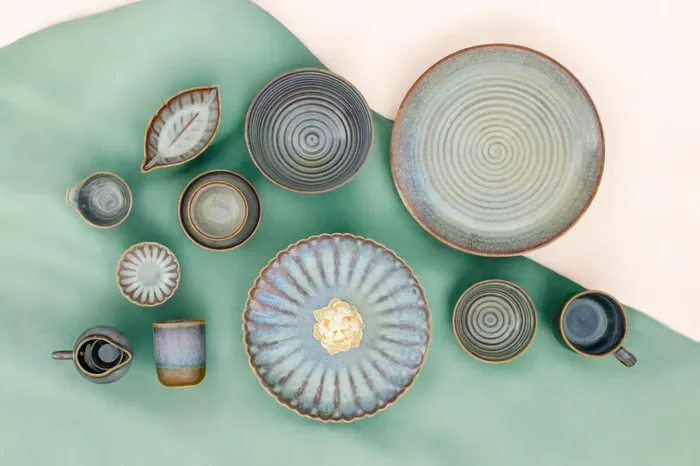
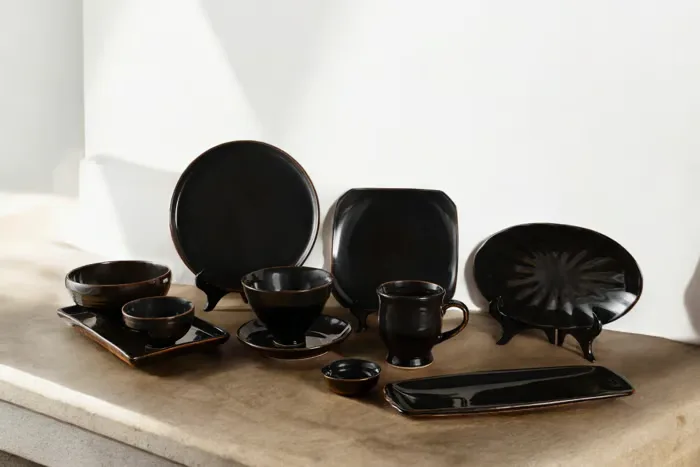
Terrace
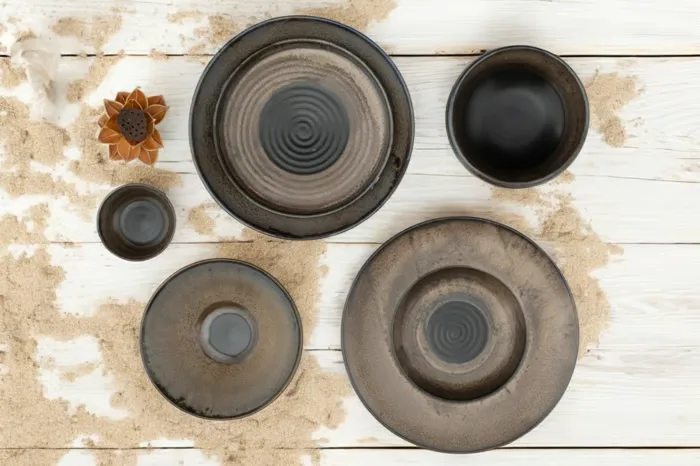
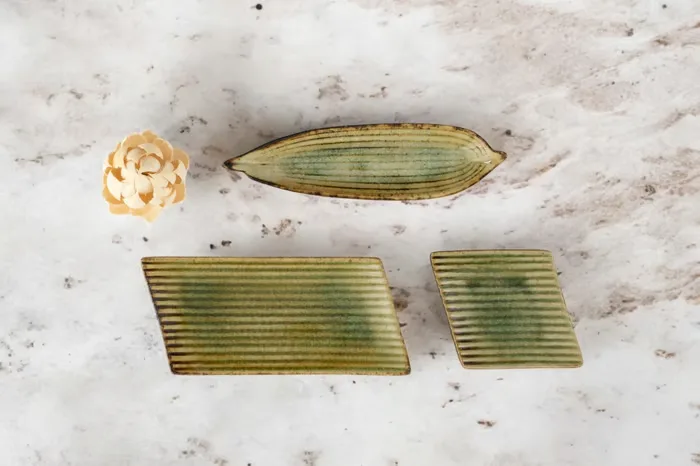
Muted green and ochre sit among the vegetation, with one rugged piece at the centre of the table for the grill.
A Group, Several Venues
Some projects cover more than one venue: a restaurant, a members’ club and a rooftop event space under one owner. Each has its own concept, so each needs its own look. The owners often also want to move stock between sites.
We solve that with overlap. In a proposal of 14 finishes, six can be used in more than one venue, so the group shares stock while each venue keeps its own character. One restaurant takes its palette from the artwork on its walls. A members’ club follows burgundy, walnut, marble and brass. An event space changes with the hour: green and soft grey for the evening dining room, sandy and blue glazes for the daylight terrace.
Plate by Course, Glaze by Light
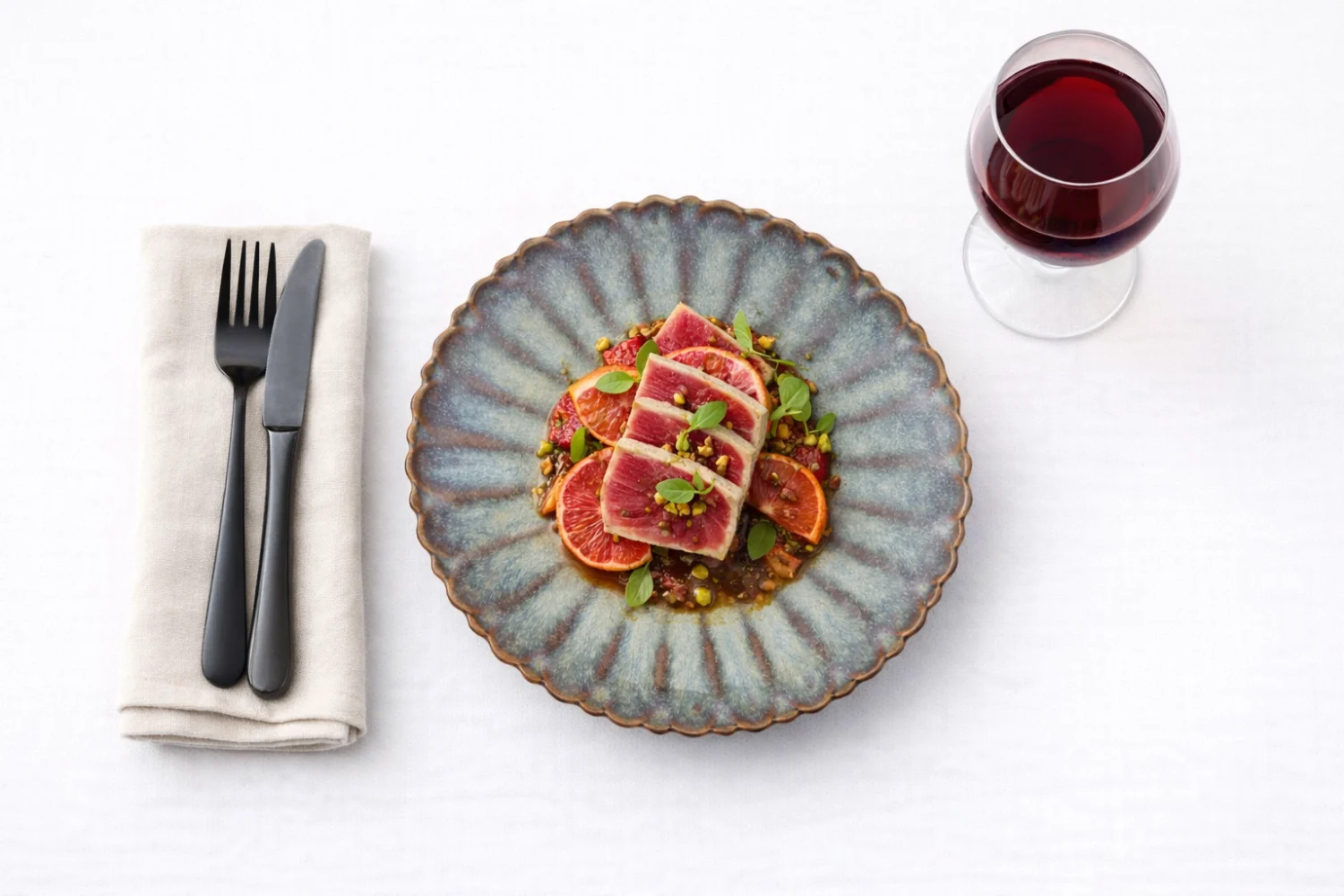
We choose pieces by what goes on them. Raw and chilled dishes get cool blues. Sushi gets matte black. Sharing plates get a calm cream or sand base, so colourful food stands out. Desserts get earthier, warmer tones.
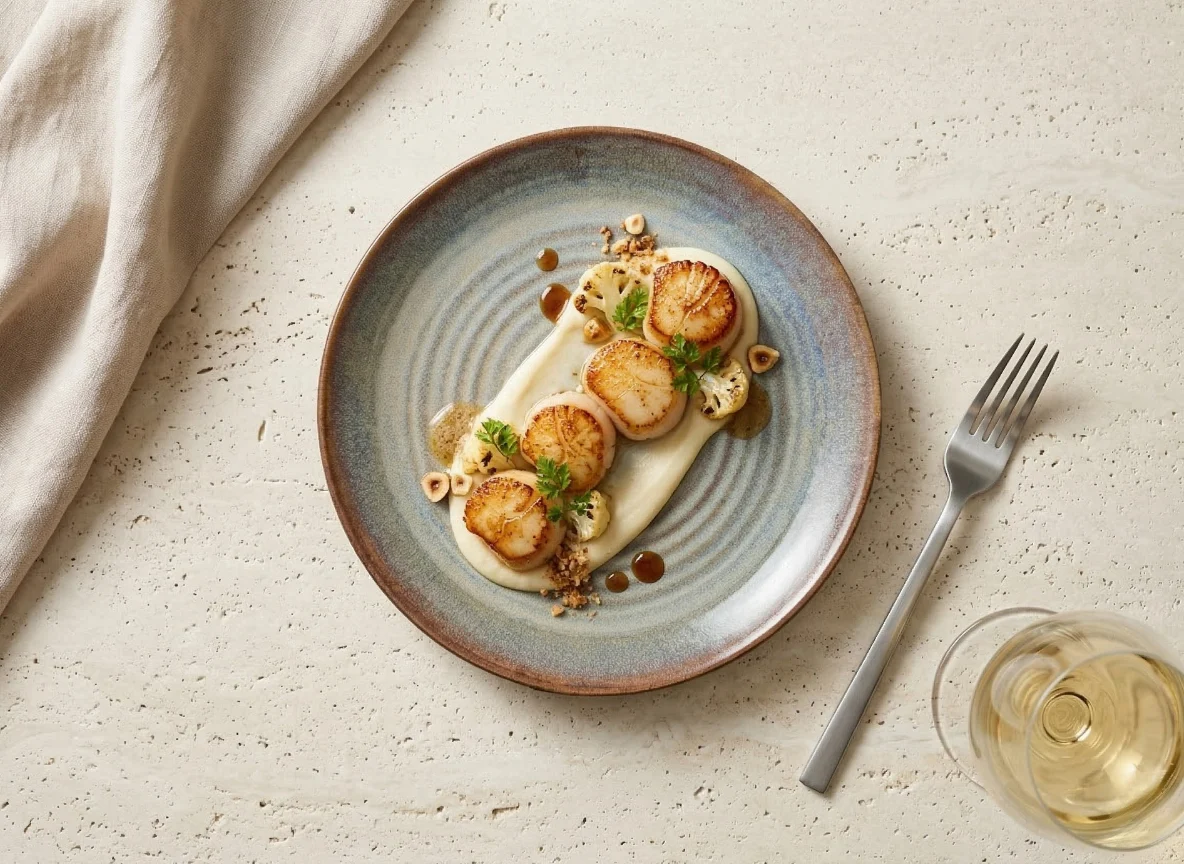
We then prepare realistic mockups of the plates with dishes from the current menu, so the owner sees the result before anything is made.
Branded Touches
When a venue wants its own mark, we show it as a mock-up: a monogram or a small illustration on a Lotus Garden plate, top centre by the rim, revealed as the plate clears. Placement, size and colour can be changed or removed.
A Sample Box for the Mood Boards
Each proposal ends with a sample box, so the design team can handle the glazes in the room’s own light. A single restaurant usually needs about ten finishes across the four Selections. A group may need 14, each sent once, with letters showing which venue uses it.
What Happens Next
The steps are the same every time. The client confirms the collections they like. We prepare mockups with their menu dishes. We share pricing for the selection, then send samples, earlier if they prefer. Porcelain is made to order, so we plan around the opening date, and stoneware ships from stock where available.
If you are opening a restaurant, we can prepare a proposal like this for your space. For the full process, read How We Work: Bespoke, from the First Call to the Kiln.
← Back to the Journal