Design
Designing Tableware Around a Tasting Menu
The Plate Changes With the Course
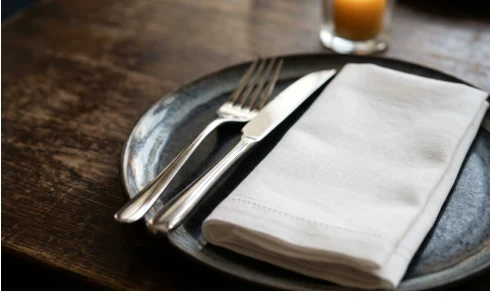
A tasting menu asks more of tableware than an à la carte service does. Six, ten, sometimes sixteen courses each need a surface that suits the dish, holds the room's visual rhythm, and doesn't repeat itself so often that the table feels static.
Restaurants that treat this well tend to plan tableware alongside the menu, not after it's finalized. By the time a chef is deciding the exact reduction on course four, they should already know what it will be plated on.
Rim Width and Portion Size
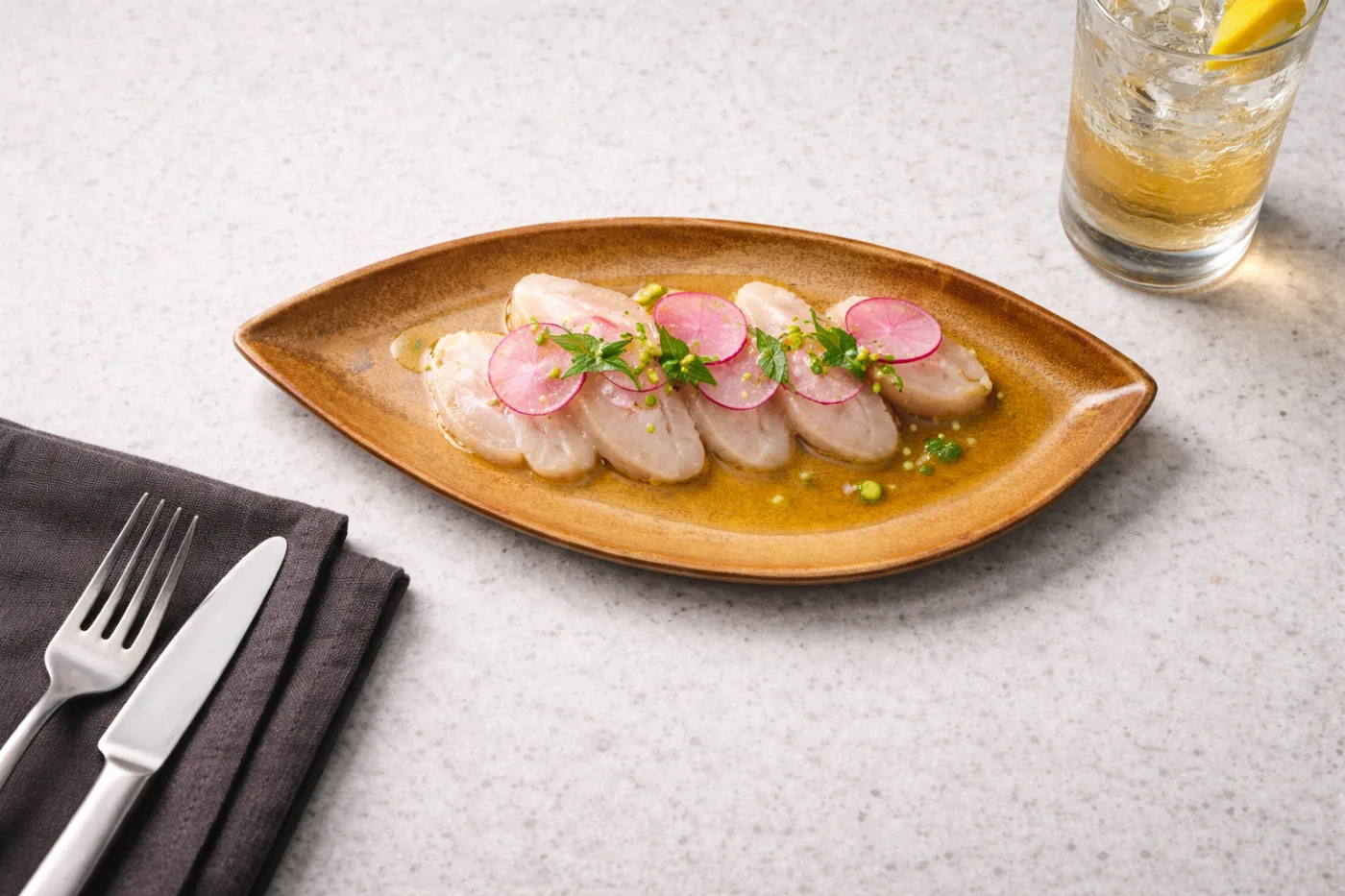
Small, precise portions need a wide rim and a small well — the food reads as considered rather than lost. A course built around a sauce needs the opposite: a deep, contained shape that keeps the liquid from spreading across a wide flat surface before it reaches the table. Getting this wrong is usually invisible on a spec sheet and obvious the moment the dish is plated.
Color and Glaze as Pacing
A long tasting menu benefits from tonal variety the same way a wine list benefits from contrast between courses. A run of pale, neutral glazes early in the menu, moving toward darker or more saturated tones for richer courses later, gives the meal a visual arc that matches its flavor arc.
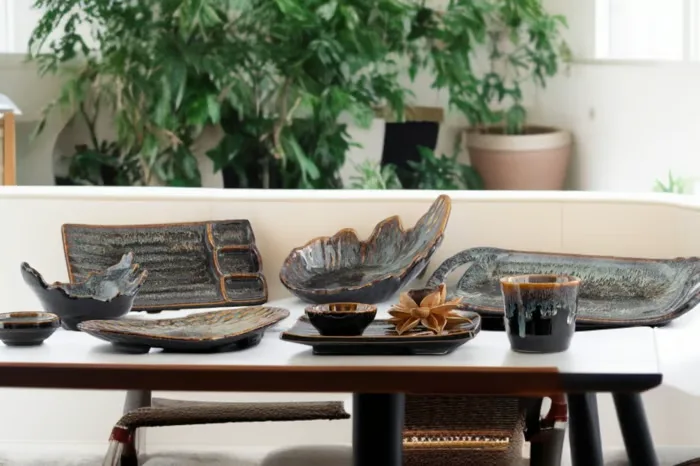
This is also where custom shapes, made through our Vipeso service, tend to come in — a course built specifically for the menu, on a plate built specifically for that course.
Starting the Conversation Early
The tasting menus that work best on our tableware are the ones where we're involved before the menu is locked. Bring us the courses in progress, even in draft form, and we can suggest shapes and finishes as the dishes take shape rather than fitting them retroactively onto whatever is already in stock.
Plan the Pieces Course by Course
A useful exercise is to list every course with its portion, its sauce and how it is eaten, then decide the shape for each: flat plate, coupe, shallow bowl, deep bowl or small vessel. Once the list is written, patterns appear. Most tasting menus need fewer shapes than expected, because several courses can share a form in different glazes.
How Many Pieces a Tasting Menu Needs
Quantities work differently from à la carte. Each course needs enough pieces for every seat in the room, plus pieces in the dish pit and a reserve for breakage. A common starting point is three times the cover count for each piece used in a course. If two courses share the same plate, count that plate twice. Our guide to how many plates a restaurant needs explains the calculation.
Practical Limits in Service
Unusual shapes look striking on the pass but need to stack, fit the dishwasher racks and be carried safely in threes. Check each piece against your shelving and dish-pit space before you commit. Pieces that are too heavy tire runners over a long service; pieces that are too light can slide under a heavy course.
When to Commission a Custom Piece
Keep custom shapes for the one or two courses that define the menu. A custom mold adds weeks to the timeline, and our Vipeso commissions are made in runs of 150–200 units. For the rest of the menu, pieces from the existing collections are faster to order and easier to replace. Read a chef's guide to commissioning a custom shape for how the process works.
Timeline
A first order from our collections usually takes 4–6 weeks, and custom pieces take longer. Start the conversation while the menu is still in draft, and ask for samples to plate real courses on before you order.
FAQ
How many different plates does a tasting menu need?
Usually fewer than the number of courses. Several courses can share one shape in different glazes.
How many of each piece should I order?
Start at about three times your cover count for each piece used in a course, and count shared pieces once per course they appear in.
Can I use a custom shape for one course only?
Yes. Custom shapes are made in runs of 150–200 units, which suits a signature course.