Design
Color and Glaze Trends on Fine-Dining Tables in 2026
White Is No Longer the Default
For a long time, a plain white plate was the safe choice — it disappears, it photographs cleanly, it goes with everything. This year, more of the restaurants and hotels we work with are choosing it deliberately, rather than by default, and often pairing it with darker or more textured pieces elsewhere in the same service.
Earth Tones Are Having a Moment
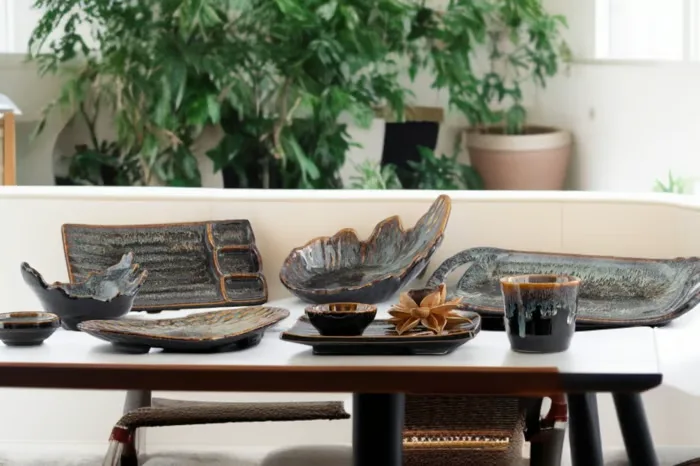
Warm, mineral-toned reactive glazes — the ones that move between browns, ochres and deep greens across a single piece — have been the most requested finish across our current projects, including both Manor Row and the Glenroyal Hotel. They read as natural rather than decorative, which suits menus built around ingredient-led, less-staged plating.
Matte Over Gloss
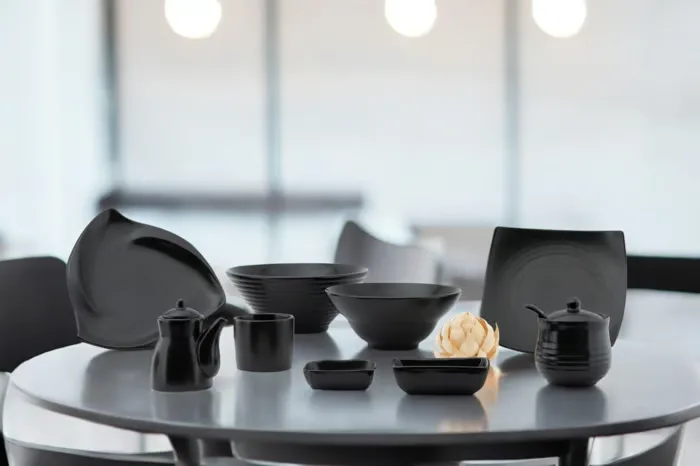
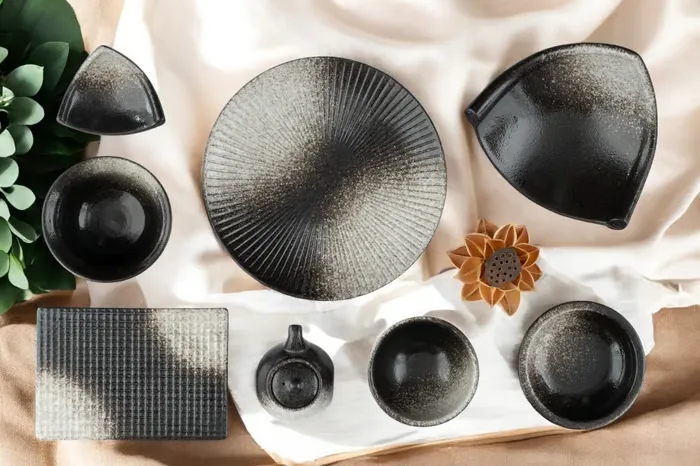
Matte finishes, particularly in darker tones, continue to gain ground over high-gloss glazes. A matte black or deep charcoal plate absorbs light rather than bouncing it, which flatters food photographed under warm restaurant lighting far better than a reflective glaze does.
Texture as a Design Element
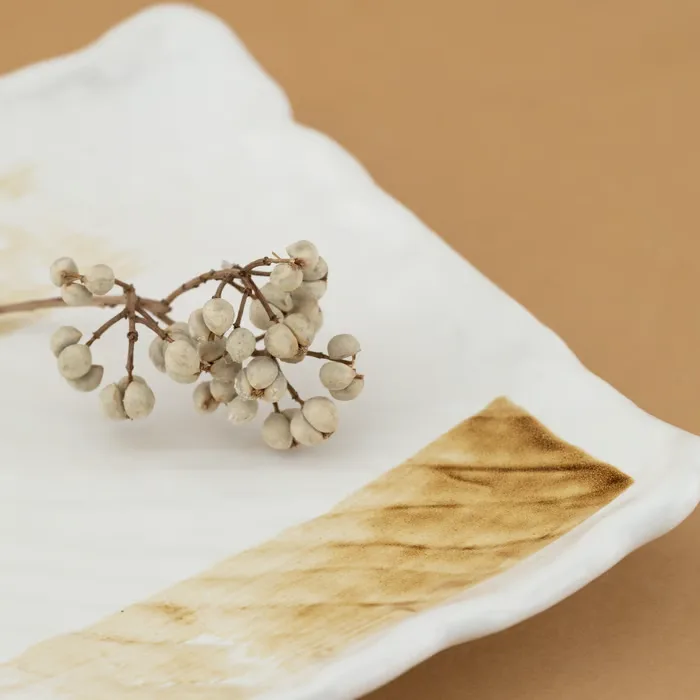
Woven, ridged and hand-textured surfaces are showing up more often, particularly on side plates and small-format pieces. They add visual interest to a course that doesn't need color to stand out — a plain protein or a pale sauce gets lifted by texture underneath it instead.
What This Means for a New Order
None of this replaces classic white porcelain, which remains the most common request we get. But if you're building a new collection this year, it's worth putting at least one earth-toned reactive piece and one matte dark piece in front of your chef before finalizing anything. Both have moved from niche to mainstream requests over the past twelve months.
Pairing Glaze With the Menu
Trends only help if the glaze suits the food. As a starting point, pale proteins, white fish and cream sauces stand out on darker matte or deep reactive glazes. Bright vegetables, green herbs and dark reductions sit better on pale speckled, ivory or celadon finishes. Seafood and raw dishes often look their best on blues and greens, and grilled meats on warm ambers and charcoal.
Many kitchens now split a menu across two or three finishes rather than one, choosing a lighter glaze for starters and a deeper one for mains. Our glaze finishes guide explains how each of our finishes behaves with different dishes.
How Lighting Changes the Choice
A glaze looks different at lunch by a window than at dinner under warm, low lighting. Gloss reflects light and can glare in bright rooms; matte absorbs it and can look flat if the room is very dark. Reactive glazes sit in between, because the surface changes across the piece. Test samples in your own room at the times you serve, not only in daylight.
Practical Checks Before You Commit
Matte glazes can show cutlery marks over time, especially on pale colors, so ask how the finish holds up and how to clean it; our care guide covers this. Check that the finish is rated for commercial dishwashers, and ask how much variation to expect between pieces and between batches. With reactive glazes, variation is part of the finish, so it helps to see several pieces from current production, not a single showroom sample.
Seeing the Full Range
You can browse all thirty-six collections by color, then ask for a sample box with one earth-toned reactive piece and one matte dark piece alongside your current plates.
FAQ
What are the tableware color trends for 2026?
Earth-toned reactive glazes, matte darks such as charcoal and black, and textured surfaces. White remains common but is chosen deliberately, often mixed with darker pieces.
Do matte plates show cutlery marks?
They can over time, especially on pale matte glazes. Darker matte finishes and reactive glazes hide marks better.
Should a restaurant use one glaze or several?
Many use two or three finishes across a menu, lighter for starters and deeper for mains, to give the meal a visual rhythm.