Vietnamese Craft & Origin Story
Vietnam's 1,000-Year Ceramic Tradition: Why It Matters for Your Restaurant Table
Exploring a Northern Vietnamese Craft Village
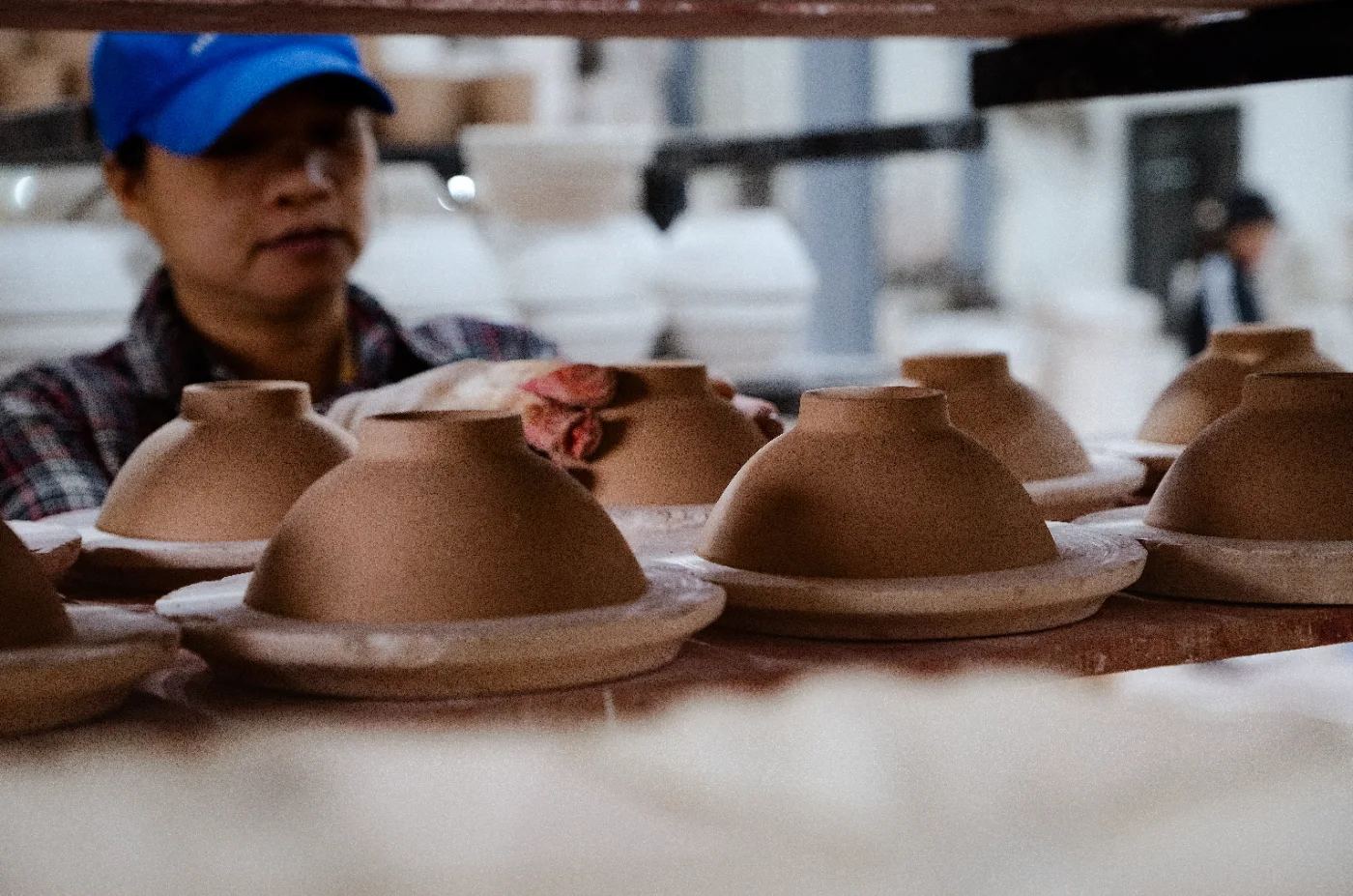
In the mountainous regions of northern Vietnam, one can find a serene and picturesque craft village where the tradition of ceramic making has thrived for over a thousand years. The air is infused with the earthy scent of wet clay, and as you step into the workshop, the soft sounds of artisans shaping, moulding and glazing fill the space.
Here, ceramics is not just a trade; it is a way of life. The artisans have honed their techniques over generations, preserving methods passed down from their ancestors. Each has developed a profound connection with the clay, knowing exactly how to manipulate it for the desired texture and shape. The clay itself, sourced from local deposits, offers unique properties that contribute to the durability and beauty of the finished pieces.
The community of artisans is tightly knit, often working together to refine their skills and share knowledge. Visitors are not merely observers; they are invited into the creation process, offered an intimate look at the dedication and artistry involved. This culture surrounding the ceramic trade forms the backbone of the village, making it significant to the region's identity and heritage.
The Ancient Roots of Vietnamese Ceramics
The history of Vietnamese ceramics is a testament to the country's artistic ingenuity and cultural resilience. Its roots trace back to the 10th century, when early Vietnamese potters began developing methods and styles that would lay the foundation for a thriving industry — using local clay and experimenting with firing techniques that produced distinctive results.
By the 15th and 16th centuries, Vietnam had emerged as a pivotal hub in the trade networks of East Asia, with connections to Japan, Southeast Asia and the Middle East. This era saw not only the export of Vietnamese ceramics but a vibrant exchange of artistic techniques — a golden age when brightly coloured, intricately designed pieces captivated international markets.
The term Annam — meaning 'the pacified south' — was used by foreign traders to refer to Vietnam and its rich artistic heritage. Its use underscores Vietnam's role in regional and global commerce, facilitating not just trade in goods but the diffusion of cultural practice.
A thousand years of tradition, set on the modern restaurant table.
What Makes Vietnamese Porcelain Different
Vietnamese porcelain stands apart due to its composition and historical development. One defining characteristic is the mineral-rich clay from the northern clay belt, renowned for its high density and natural whiteness — properties that allow for durable porcelain sought after across the globe.
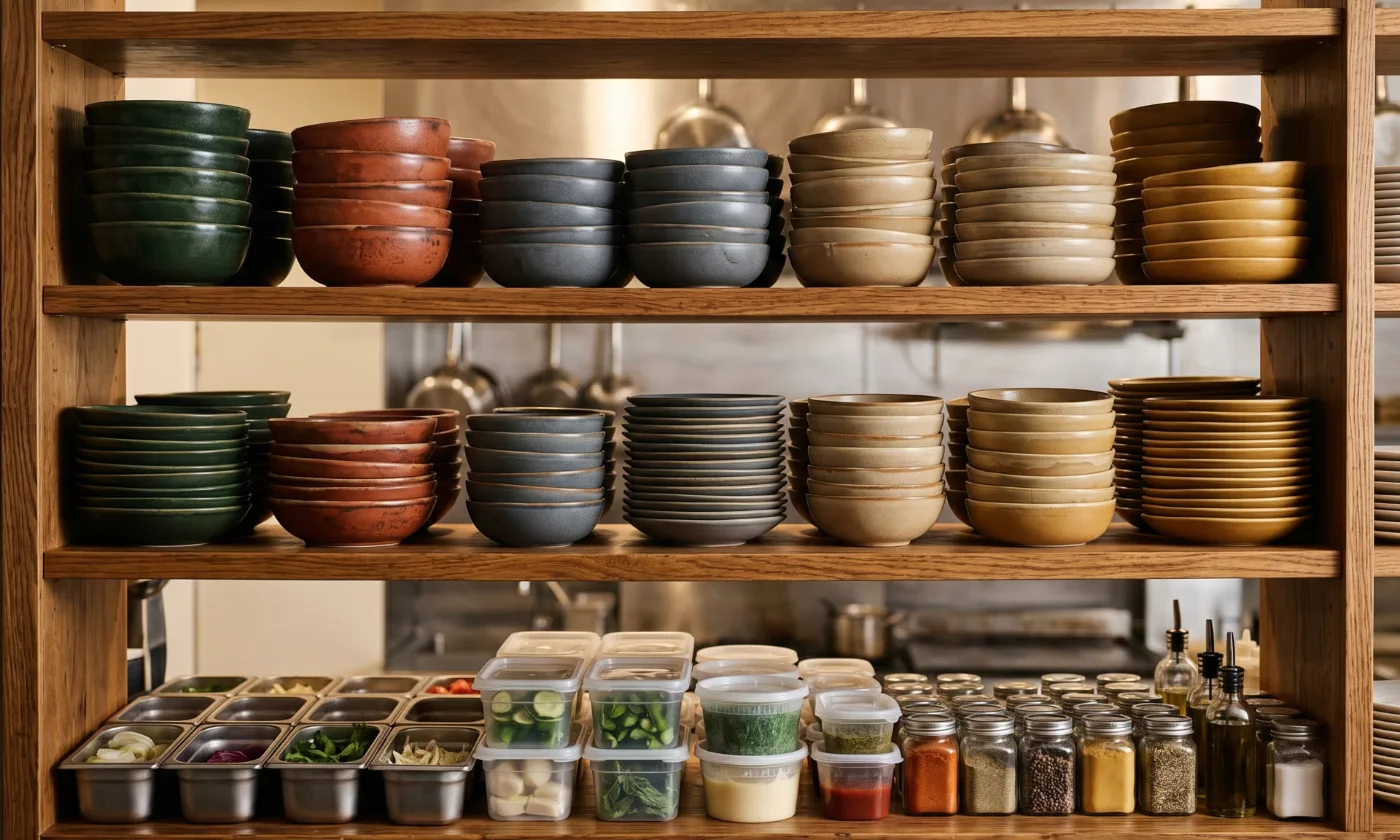
The restrained aesthetic sets these pieces apart too. Rather than brimming with decoration, they exhibit a harmonious simplicity that prioritises subtlety and elegance — enhancing the dining experience by allowing the food itself to take centre stage. Clear glazes emphasise the beauty of the clay, creating a smooth finish that elevates every dish served.
The craftsmanship reflects a deep cultural heritage, with techniques passed down through generations and variations distinct to different regions. Each piece is not just dinnerware but a work of art — offering functional benefit while enriching the aesthetic of the table.
The Craft Village Economy
The craft village economy is a remarkable embodiment of both tradition and contemporary sustainability. These villages have held economic significance for centuries, providing livelihoods to artisans and the wider community. They are often family-run, where skills and knowledge pass through generations — making each piece a testament to cultural heritage as much as a product of labour.
Supporting these artisans is a strategic choice for those concerned with sustainability and quality. Purchasing directly honours the craftsmanship involved, yields superior products, and contributes to the economic stability of artisan families — ensuring their skills continue to thrive.
The social significance extends beyond economics: as artisans collaborate and share their craft, they reinforce cultural values and community solidarity. Investing in the sector becomes a meaningful contribution to preserving a rich heritage — a profound connection between a buyer's choices and the continuity of Vietnamese tradition.
From Annam to Your Restaurant Table
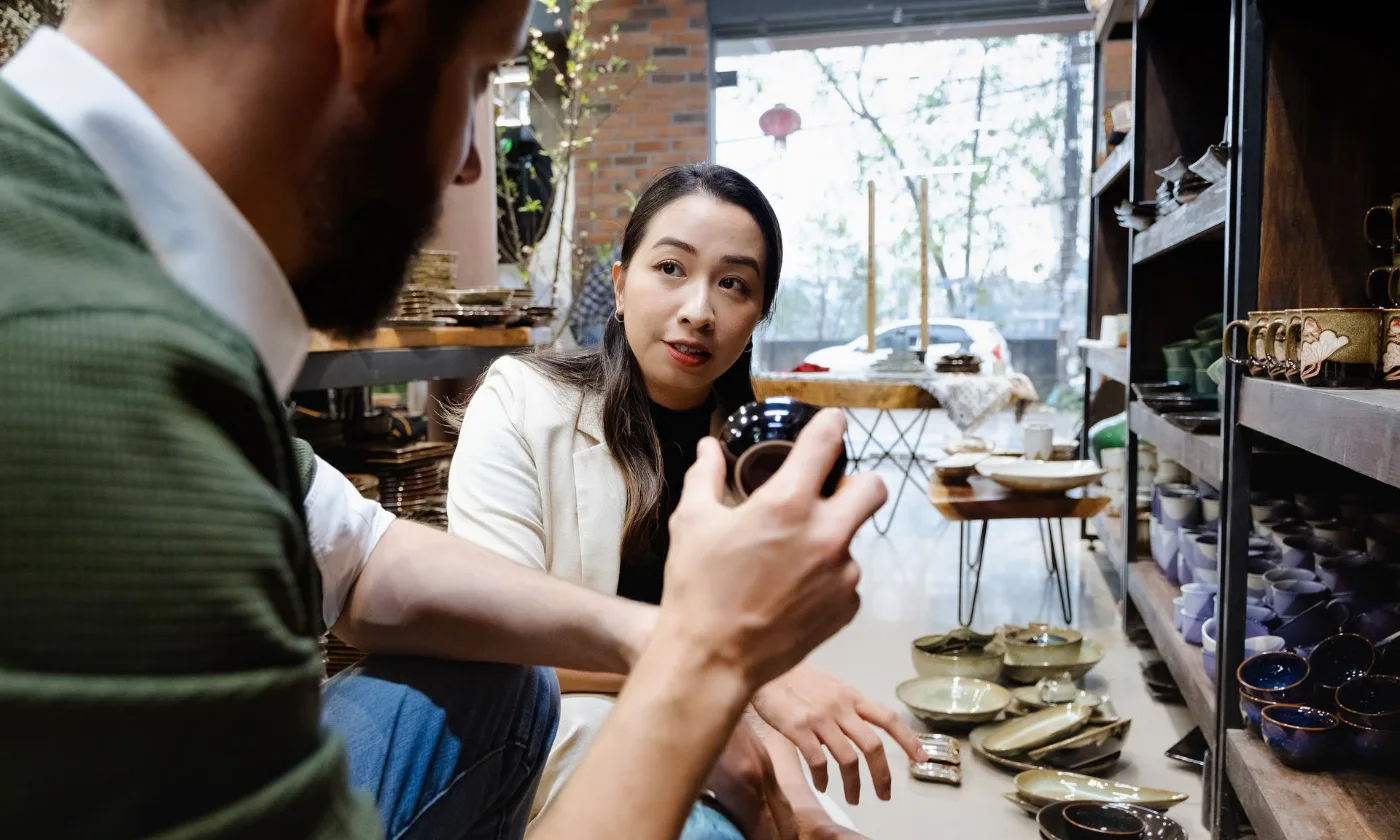
Chef Matt, the European-trained founder of Annamis, alongside his wife Phương, embodies a combination of culinary excellence and artisanal craftsmanship. Annamis emphasises the significance of presentation through handcrafted ceramic tableware rooted in Vietnam's 1,000-year tradition — weaving cultural pride into the fabric of the modern dining experience.
The couple's shared passion bridges high-end culinary rigour and the warmth of artisanal craft. Chef Matt's training allows him to refine and elevate; Phương's understanding of local artistry ensures every piece of tableware tells a story. The warm tones, elegant shapes and skilled artisanship breathe life into his culinary creations, providing context and enhancing the emotions associated with dining.
By integrating culturally significant tableware into the restaurant, Annamis invites guests to explore the richness of Vietnamese tradition while they eat — fostering a deeper appreciation for both the cuisine and the culture behind it.
FAQ
What measures does Annamis take to ensure the quality of its porcelain?
We source fine clay and raw materials that meet strict standards, craft each piece with skilled artisans using traditional techniques, and run rigorous quality-control checks at various stages of production — guaranteeing products that are both beautiful and reliable.
How does Annamis incorporate sustainability in its production process?
We use eco-conscious materials and energy-efficient methods, minimise waste through careful resource management, and preserve local craftsmanship — supporting a sustainable production cycle without compromising environmental integrity.
How do you communicate the provenance of your products to guests?
We share the story behind each piece through product documentation, storytelling materials and online content — allowing restaurants and their guests to appreciate the heritage and craftsmanship of their tableware.
What are the care instructions for the ceramics?
All Annamis pieces are dishwasher and microwave safe. For longevity, avoid abrasive cleaners and extreme temperature shocks, and store in a dry environment — simple care keeps the finish intact for years.