Buyer Education
What to Look for When Buying Handcrafted Tableware for a Fine Dining Restaurant
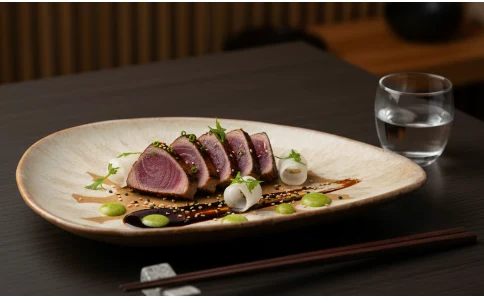
In the realm of fine dining, ambiance and service are often paramount, yet it is tableware that serves as the silent ambassador of a restaurant's identity. Every guest interacts with it — the plates, cutlery, and glassware can significantly influence the perception of a meal, transforming a simple dish into a visually stunning presentation.
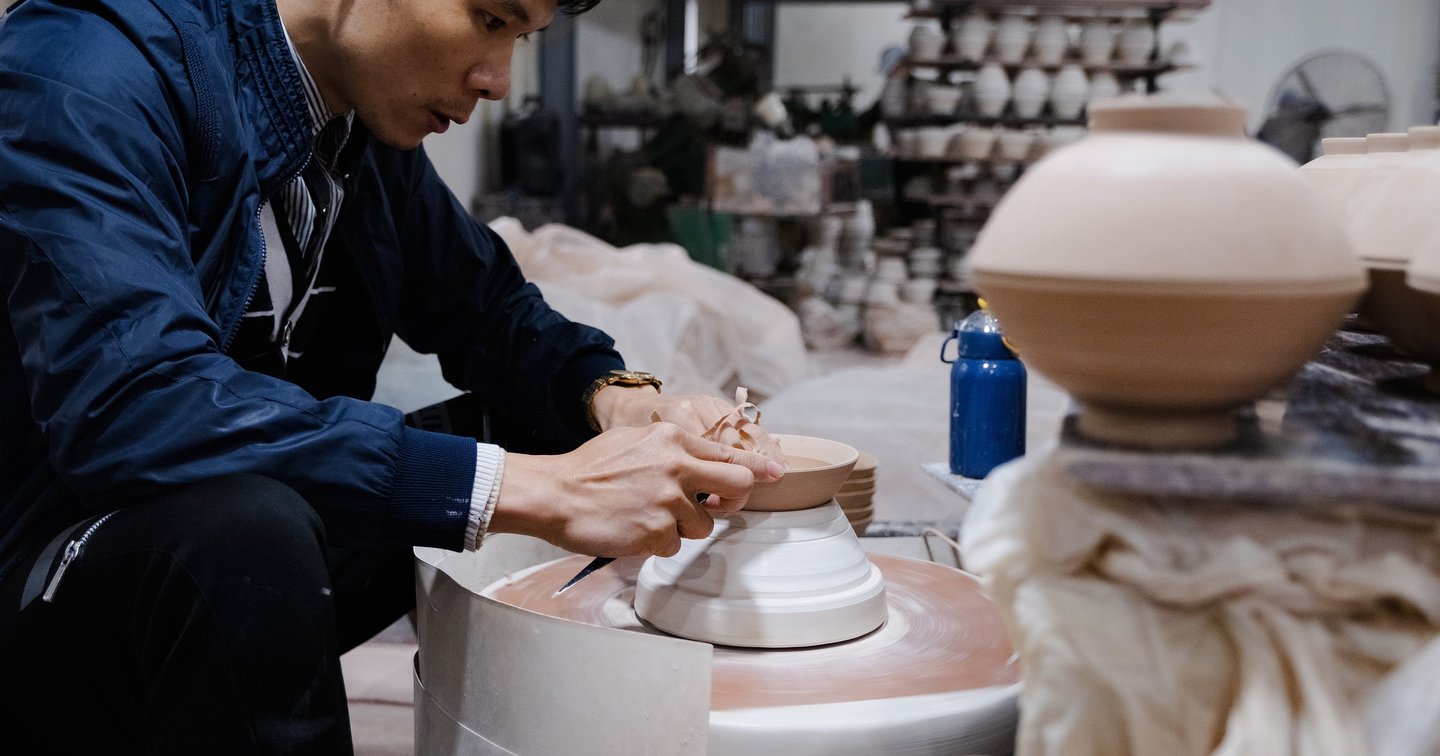
Handcrafted tableware adds a layer of uniqueness and character that mass-produced items cannot replicate. Each piece embodies the artistry of its maker, often reflecting regional traditions. Investing in high-quality, handcrafted items resonates with patrons who appreciate authenticity and the stories behind each piece — vital for establishments aiming to create a memorable experience that keeps guests returning.
Durability Is Not the Opposite of Delicacy
When selecting handcrafted tableware, an often overlooked attribute is durability. Contrary to common belief, durability does not equate to a lack of delicacy. The double-firing process used in crafting certain ceramics significantly enhances robustness while maintaining visual appeal — firing the clay twice not only eliminates moisture but strengthens the material.
Vitrified ceramics provide exceptional thermal shock resistance — crucial when transitioning between extreme temperatures, from hot soups to chilled desserts. Low-temperature single-fired ceramics lack this advantage and are more prone to chipping in intense kitchen environments — though well-fired stoneware like our Diamond Selection, single-fired at 1200–1250°C and fully glazed, is built for everyday restaurant service.
Individuality in Design
One of the most appealing aspects of handcrafted tableware is its slight variation in design and colour, which highlights the uniqueness of each piece. These variations are not imperfections; they are indicative of the artisan's expertise. Unlike the identical, uniform appearance of mass-produced white hotel china, handcrafted pieces breathe life into the dining experience — a reflection of the restaurant's brand identity and values.
Weight and Balance Affect Perceived Value
Tableware that feels substantial and well-balanced creates an immediate impression of quality. Handcrafted porcelain is known for its optimal density, enhancing the tactile experience of dining. For staff, well-balanced pieces are easier to handle, allowing servers to present dishes confidently without risk of spilling.
Glaze Finish Determines Food Compatibility
Glaze finish plays a crucial role in both aesthetic appeal and food compatibility. Matte finishes offer subtle elegance that lets food take centre stage, though they may show cutlery markings over time. Glossy finishes are vibrant and easier to clean, though shine can sometimes distract from the dish if not applied thoughtfully. Always assess food-safe certifications and conduct a sample-set test before committing to a full order.
Sourcing Origin Matters More Than Ever
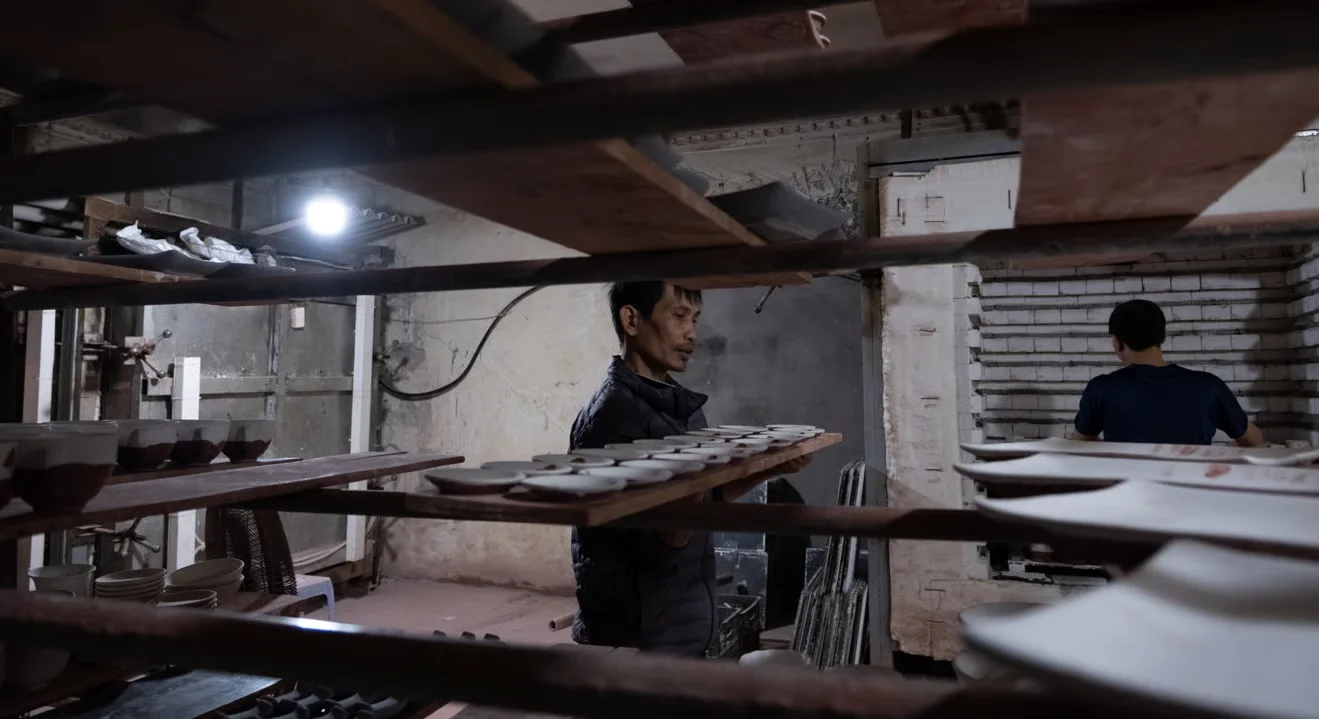
Patrons increasingly seek an authentic dining experience that reflects a rich cultural heritage. Vietnam's craft heritage spans over a millennium, and the techniques passed down through generations contribute to pieces that are not just functional objects but works of art.
Annamis, founded by Chef Matt, is a testament to the harmonious fusion of European fine dining principles with the skills of Vietnamese artisans. Every piece is carefully selected to enhance the dining experience while honouring the cultural significance of Vietnamese craftsmanship.
Think in Systems, Not Individual Pieces
When acquiring handcrafted tableware, adopt a holistic approach — consider collections as comprehensive systems rather than isolated items. Common geometric forms such as circles, squares, triangles and diamonds can impart balance and order while allowing creative expression across your table.
Intentional mixing of tableware from various sets can enhance both visual appeal and functionality, providing an engaging visual narrative that reflects the restaurant's brand identity and culinary philosophy.
FAQ: Dishwasher Safety, Size Variation, Order Quantity, Custom Options, Lead Times
Most handcrafted tableware is made from ceramic, porcelain or stoneware, which can vary in resilience to heat and detergent — always check the manufacturer's guidelines. Size discrepancies can occur due to the artisanal process; ordering a few extra pieces per type helps maintain consistency in service.
Minimum purchase requirements vary by item type and supplier policy — discuss these early to streamline orders. Many vendors offer custom options including tailored colours, logos or shapes; request samples to confirm the final product meets expectations. Finally, factor in lead times: handcrafted items have longer production times due to their bespoke nature, so plan new tableware introductions well in advance.
← Back to the Journal